Understanding the Role of Electrical Components Manufacturers
The electrical components manufacturing industry plays a crucial role in various sectors by providing essential parts that facilitate the functionality and safety of electronic devices. These manufacturers create a wide array of products such as connectors, switches, power cords, and wire harnesses, all of which are integral to the performance of modern technology. In an era where electronic devices are ubiquitous, understanding the significance of these manufacturers becomes essential for industries relying on these components to innovate and maintain operational efficiency. When exploring options, an Electrical components manufacturer can offer comprehensive insights and solutions tailored to your needs.
What Defines an Electrical Components Manufacturer?
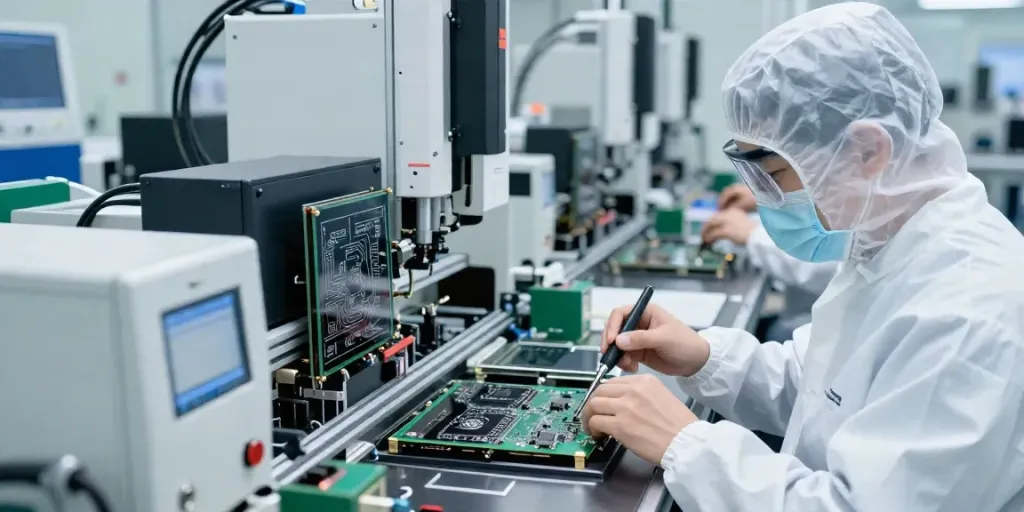
An electrical components manufacturer is defined by its ability to produce a wide range of electrical parts that comply with industry standards and certification requirements. These manufacturers often specialize in specific components or technologies, leveraging advanced manufacturing processes to ensure quality and reliability. They engage in rigorous testing and quality control measures to meet safety certifications such as UL, CE, RoHS, and REACH. Manufacturers may also provide custom engineering solutions to cater to unique client specifications.
Key Industries Served by Electrical Components Manufacturers
Electrical components manufacturers serve a variety of industries, demonstrating their versatility and essential role in modern manufacturing. Key industries include:
- Consumer Electronics: Providing components for home appliances, smartphones, and computers.
- Automotive: Supplying connectors and wiring harnesses for vehicles, including electric and hybrid models.
- Telecommunications: Manufacturing parts used in networking equipment and infrastructure.
- Medical Technology: Creating reliable components for hospital equipment and devices.
- Industrial Automation: Supporting machinery and systems that require precise electrical components.
Challenges Faced by Manufacturers in 2026
As we advance into 2026, electrical components manufacturers face several challenges, including:
- Supply Chain Disruptions: Global events impact the availability of raw materials and transportation.
- Regulatory Compliance: Adhering to new and changing regulations can burden manufacturers with increased costs.
- Technological Adaptation: Keeping up with rapid technological advancements requires continuous investment in R&D.
- Environmental Concerns: The push for sustainability necessitates changes in manufacturing processes and materials.
The Importance of Quality Control in Electrical Manufacturing
Quality control is pivotal in electrical manufacturing, ensuring that products are safe and reliable for end-use. The demand for high-quality components is non-negotiable, especially in sectors like automotive and medical, where failures can be catastrophic.
Industry Standards and Certifications
To ensure product safety and reliability, electrical components manufacturers must comply with several industry standards. Certifications such as:
- ISO 9001: A standard that outlines the requirements for a quality management system.
- UL Certification: Ensures products meet specific safety standards.
- CE Marking: Indicates conformity with health, safety, and environmental protection standards.
- RoHS Compliance: Restricts hazardous substances in electrical and electronic equipment.
Implementing Effective Quality Assurance Processes
Manufacturers can enhance their quality assurance processes through:
- Regular Inspections: In-process and final product inspections help identify defects early.
- Employee Training: Ensuring that staff is trained in quality standards and practices promotes attention to detail.
- Continuous Improvement: Implementing feedback mechanisms to refine processes is essential for maintaining high standards.
Case Studies on Quality Control Successes
Several manufacturers have successfully implemented quality control strategies, resulting in improved product reliability. For instance, a major automotive parts manufacturer reduced defect rates by 30% through enhanced training programs and stricter adherence to ISO standards.
Innovations in Electrical Component Manufacturing
The landscape of electrical component manufacturing is continuously evolving, driven by technological advancements and changing market demands.
Emerging Technologies Shaping the Industry
Key innovations include:
- 3D Printing: Reduces lead times for prototyping and manufacturing unique components.
- Smart Manufacturing: Integrates IoT technology for real-time monitoring of production processes.
- Advanced Materials: Utilization of lighter, more durable materials to enhance product performance.
The Role of Automation and AI in Manufacturing
Automation and artificial intelligence play a vital role in increasing production efficiency. By streamlining processes, manufacturers can:
- Reduce Labor Costs: Automating repetitive tasks frees up human resources for more complex duties.
- Enhance Precision: Machinery powered by AI can execute tasks with a level of accuracy that minimizes human error.
- Predict Maintenance Needs: AI algorithms can predict equipment failures, ensuring timely maintenance and minimal downtime.
Future Trends and Innovations to Watch in 2026
Looking ahead to 2026, trends such as sustainability, increased customization, and smarter material usage are expected to shape the industry. Innovations driven by the need for greener manufacturing processes will dominate new product lines.
Custom Solutions and Engineering Support
As industries become more specialized, the demand for custom-engineered solutions is on the rise. Manufacturers who provide tailored solutions can gain a competitive edge.
Benefits of Custom Engineering in Electrical Manufacturing
Custom engineering offers numerous advantages:
- Tailored Solutions: Products designed to meet specific requirements enhance functionality.
- Reduced Time to Market: Custom components can streamline product development cycles.
- Improved Customer Relationships: Providing tailored services fosters loyalty and trust among customers.
Steps to Collaborate with a Manufacturer for Custom Solutions
To ensure a smooth collaboration for custom solutions, businesses should:
- Define Requirements: Clearly outline needs and expectations to guide the manufacturing process.
- Engage in Prototyping: Use prototypes to validate design before mass production.
- Maintain Open Communication: Regular updates and discussions help prevent misunderstandings.
Real-World Applications of Custom Electrical Components
Custom electrical components have been utilized effectively in various applications, such as specialized medical devices developed to meet unique patient needs or automotive parts engineered for specific vehicle requirements, enhancing safety and performance.
Global Supply Chain Strategies for Electrical Components
In the global market, supply chain management is crucial for electrical components manufacturers to thrive amidst competition and disruptions.
Managing Global Supply Chain Challenges in 2026
The landscape of global supply chains is fraught with challenges like:
- Geopolitical Issues: Tariffs and trade barriers can impact material costs and availability.
- Logistics Disruptions: Global events can delay shipments and increase lead times.
- Sustainability Goals: Manufacturers face pressure to implement environmentally friendly practices across their supply chains.
Best Practices for Efficient Distribution
To optimize supply chain efficiency, manufacturers can implement best practices, including:
- Diversifying Suppliers: Engaging multiple suppliers can mitigate risks associated with single-source dependencies.
- Investing in Technology: Utilizing software for inventory and logistics management enhances visibility across the supply chain.
- Building Strong Partnerships: Close relationships with suppliers and distribution partners can facilitate smoother operations.
A Look at Key Markets and Their Demands
Understanding demand trends is vital. Key markets like electric vehicles and renewable energy sectors are driving the need for innovative electrical components, prompting manufacturers to adapt quickly to these trends.
What are the Benefits of Collaborating with Electrical Components Manufacturers?
Collaborating with an electrical components manufacturer provides several benefits:
- Access to Expertise: Manufacturers possess specialized knowledge that can guide product development.
- Improved Quality: Established manufacturers maintain high production standards that contribute to product reliability.
- Cost Efficiency: Working directly with manufacturers can reduce procurement costs through bulk purchasing.
How to Choose the Right Electrical Components Manufacturer?
Selecting the right manufacturer involves evaluating several factors:
- Certifications: Ensure the manufacturer meets necessary quality and safety standards.
- Experience: Choose a manufacturer with a proven track record in your specific industry.
- Customization Capabilities: Assess their ability to provide tailored solutions to meet unique needs.
What are the Common Misconceptions Surrounding Electrical Manufacturers?
Some misconceptions include:
- Quality only relates to price—higher prices don’t always guarantee better quality.
- Manufacturers cannot deliver custom solutions—many manufacturers specialize in customization.
- All components are interchangeable—specific applications require precisely engineered components.
What Role Does Sustainability Play in Electrical Component Manufacturing?
Sustainability is becoming increasingly important in electrical component manufacturing, as companies aim to reduce their environmental impact. Implementing eco-friendly practices can include:
- Using Recycled Materials: Incorporating recycled content in manufacturing processes.
- Energy-Efficient Production: Reducing energy consumption during the manufacturing process.
- Waste Reduction: Implementing practices to minimize waste generated during production.
What Innovations Can We Anticipate in Electrical Components by 2026?
By 2026, we can expect innovations driven by advancements in technology and changes in consumer preferences, such as:
- Smart Components: Integration of IoT capabilities into electrical components for enhanced functionality.
- Biodegradable Materials: Exploring options for environmentally friendly alternatives to traditional materials.
- Enhanced Performance: Developing components that can operate more efficiently under varying conditions.