Understanding RT5880 PCB Manufacturing
In the realm of modern electronics, the demand for high-frequency performance materials has surged, making RT5880 one of the most sought-after substrates for printed circuit boards (PCBs). As industries ranging from telecommunications to aerospace push the boundaries of technology, understanding the intricacies of RT5880 PCB manufacturing becomes essential for both manufacturers and engineers. This article will delve into the properties, applications, and challenges associated with RT5880, offering insights into best practices for efficient production.
What is RT5880 PCB Material?
RT5880 is a type of polyarylene ether composite laminate developed by Rogers Corporation for high-frequency applications. It is engineered for superior electrical performance with low dielectric loss, making it suitable for use in demanding RF/microwave applications. The unique composition includes a glass fiber reinforcement which enhances its strength and durability. Compared to traditional FR-4 materials, RT5880 provides a significantly lower dielectric constant, enabling better signal integrity and efficiency in high-speed circuits.
Key Properties of RT5880
The exceptional characteristics of RT5880 make it an optimal choice for high-frequency PCB designs. Some of its key properties include:
- Low Dielectric Constant (Dk): With a Dk of approximately 2.2, RT5880 offers excellent performance for high-frequency signal transmission.
- Low Dissipation Factor (Df): The dissipation factor is crucial for minimizing signal loss; RT5880 boasts a Df of 0.001, which is ideal for RF applications.
- Thermal Stability: RT5880 maintains thermal stability even at high operating temperatures, ensuring reliability in demanding environments.
- Moisture Resistance: The material’s low moisture absorption further adds to its robustness and longevity.
Applications of RT5880 PCBs
Due to its superior electrical characteristics, RT5880 is employed in various applications:
- Telecommunications: Used for antenna designs and signal processing due to its low loss at microwave frequencies.
- Radar Systems: The material's ability to handle high-frequency signals makes it ideal for radar applications.
- Satellite Communication: RT5880 supports various SATCOM applications, ensuring efficient signal integrity and performance.
- Test Equipment: High-end RF test boards benefit from RT5880's low Dk and Df properties, facilitating precise measurements.
Challenges in RT5880 PCB Production
While RT5880 offers significant advantages, its manufacturing process comes with unique challenges. Understanding these issues is crucial for successful PCB production.
Common Manufacturing Issues
Manufacturing with RT5880 can present specific difficulties, particularly due to the material's characteristics:
- Processing Conditions: RT5880 requires precise handling and processing conditions, as its properties can change if not managed correctly.
- Cutting and Machining: Accurate cutting and machining of RT5880 is critical to avoid delamination and warping.
- Layer Adhesion: Ensuring strong adhesion between layers can be challenging due to the material's non-stick properties.
Material Handling Difficulties
The handling of RT5880 during production processes can pose difficulties:
- Storage Requirements: It must be stored in controlled environments to prevent moisture absorption.
- Transportation: Special care is needed during transportation to avoid damage to the delicate laminate.
Quality Control Challenges
Maintaining quality during the production of RT5880 PCBs involves rigorous testing and quality assurance protocols:
- Inspection Techniques: The use of advanced inspection techniques is necessary to ensure the absence of defects.
- Testing for Performance: Detailed testing ensures that the end products meet the stringent specifications required for high-frequency applications.
Best Practices for RT5880 PCB Manufacturing
Implementing best practices in the manufacturing process of RT5880 PCBs can significantly reduce challenges and enhance product quality.
Optimizing Production Processes
To optimize production, manufacturers should consider:
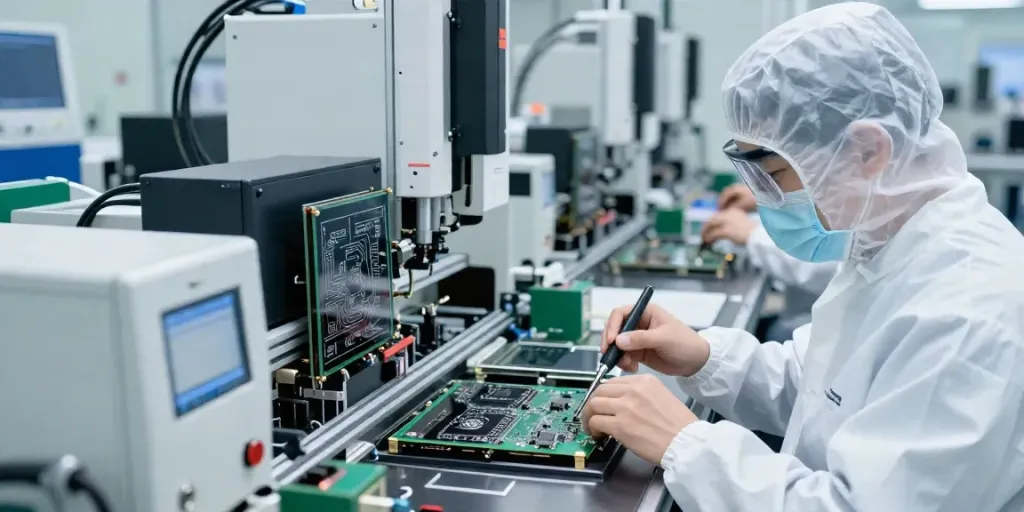
- Automation: Utilizing automated processes can increase precision and consistency in PCB manufacturing.
- Process Monitoring: Continuous monitoring and adjustments during production help maintain optimal conditions.
Implementing Quality Assurance Protocols
Quality assurance is vital in ensuring product reliability:
- Regular Audits: Conducting regular audits of manufacturing processes helps identify areas for improvement.
- Material Testing: Routine testing of raw materials before use ensures compliance with specifications.
Efficient Material Use Strategies
To minimize waste during manufacturing:
- Material Sizing: Careful planning of material sizing reduces scrap rates.
- Recycling: Implementing recycling programs for offcuts can lead to more sustainable practices.
Future Trends in PCB Manufacturing
The landscape of PCB manufacturing is continuously evolving, driven by technological advancements and market demands.
Technological Advancements in 2026
By 2026, several technological innovations are expected to transform PCB manufacturing:
- Advanced Materials: Development of new composite materials with even lower Dk and Df values.
- Integration with IoT: Smart manufacturing processes that leverage IoT for real-time data monitoring and quality assurance.
Emerging Applications for RT5880
As technology advances, new applications for RT5880 are likely to emerge, including:
- 5G Technologies: The demand for high-frequency PCBs in 5G base stations and devices will increase.
- Automotive Communications: Expanding use in automotive RF applications will enhance vehicle communication systems.
Industry Predictions for PCB Innovations
Experts predict continued innovation in PCB technology:
- Miniaturization: Trends toward smaller, more complex PCB designs will demand advanced fabrication techniques.
- Environmentally Friendly Materials: The shift toward sustainable materials will drive changes in PCB manufacturing processes.
Frequently Asked Questions
What makes RT5880 unique compared to other PCBs?
RT5880 stands out due to its low dielectric constant and dissipation factor, making it specifically suited for high-frequency applications that require minimal signal loss.
How is RT5880 processed during manufacturing?
Processing RT5880 involves careful cutting, plating, and layering under controlled conditions to maintain its unique properties throughout the fabrication process.
What industries benefit from RT5880 PCBs?
Industries such as telecommunications, aerospace, defense, and automotive heavily rely on RT5880 for critical high-frequency applications.
Are there any environmental considerations in RT5880 production?
Yes, manufacturers are focusing on sustainable production practices, including reducing waste and using environmentally friendly materials whenever possible.
What are the cost factors associated with RT5880 PCB manufacturing?
Factors such as material costs, labor, production complexity, and technology requirements all influence the overall cost of manufacturing RT5880 PCBs.