The Evolution of CNC Machining Parts Technology
Since its inception, CNC (Computer Numerical Control) machining has revolutionized manufacturing, enabling precision and automation in the production of complex components. The evolution of cnc machining parts technology has been marked by critical advancements that have greatly enhanced manufacturing capabilities. This article explores the rich history, technological progress, and current trends in CNC machining, providing insights into how businesses can leverage these innovations for superior manufacturing efficiency.
Historical Context of CNC Machining
The roots of CNC machining can be traced back to the 1940s, when early numerical control (NC) systems were developed. These systems allowed machines to be controlled via punched tape, ushering in a new era of automation. By the 1960s, the shift from NC to CNC emerged, integrating computer technology to achieve higher precision and flexibility. This transition enabled manufacturers to produce parts with complex geometries, setting the stage for modern CNC machining.
Technological Advancements in CNC Equipment
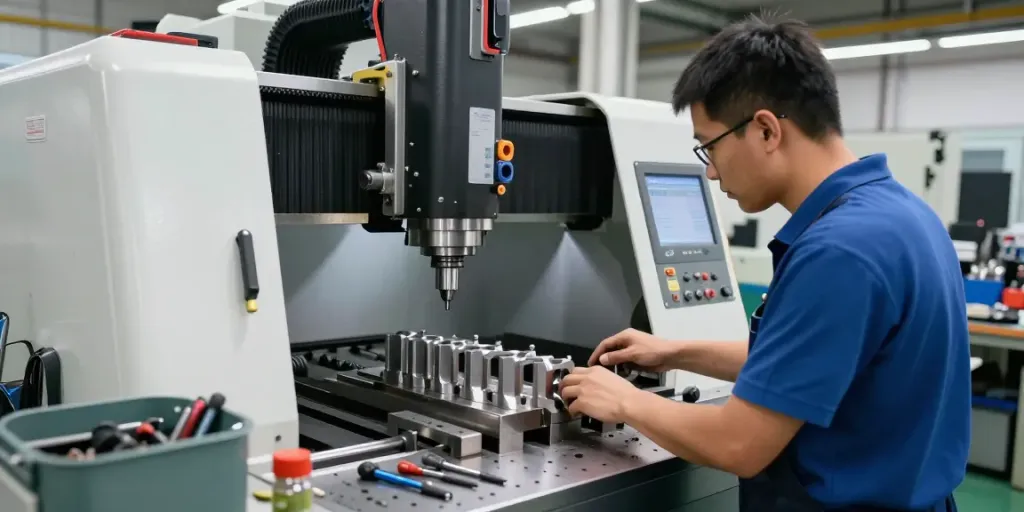
Over the years, CNC machining equipment has undergone significant advancements. Modern CNC machines are equipped with sophisticated software that enhances functionalities such as simulation, toolpath optimization, and real-time monitoring. The introduction of multi-axis machining centers has further expanded capabilities, allowing manufacturers to produce intricate components with greater efficiency. Additionally, advancements in materials science have led to the integration of composite materials, enabling the production of lightweight, robust parts.
Current Trends in CNC Machining Parts
As we move toward 2026, several trends are shaping the landscape of CNC machining. The push for sustainability in manufacturing is gaining traction, with many companies adopting eco-friendly practices. Moreover, the integration of IoT (Internet of Things) devices allows for enhanced data collection and analysis, enabling manufacturers to optimize operations and reduce downtime. The rise of additive manufacturing techniques, such as 3D printing, is also influencing CNC machining, as companies explore hybrid techniques that combine subtractive and additive methods to streamline production.
Key Benefits of Using CNC Machining Parts
CNC machining offers numerous advantages, making it a favored choice for manufacturers across various industries. Understanding these benefits can help businesses make informed decisions about their production processes.
Improved Precision and Accuracy
One of the standout features of CNC machining is its ability to produce parts with exceptional precision. Utilizing advanced software and automated systems, CNC machines can achieve tolerances as tight as ±0.001 inches. This level of accuracy is crucial for industries such as aerospace and medical devices, where even the slightest deviation can have severe consequences.
Efficiency in Production Volume
CNC machining significantly increases production efficiency. Unlike traditional machining methods that require extensive manual intervention, CNC machines operate autonomously, allowing for continuous production. This efficiency is particularly beneficial for high-volume production runs, where speed and consistency are paramount.
Cost-Effectiveness Over Time
While the initial investment in CNC machinery can be substantial, the long-term cost-effectiveness is undeniable. The reduction in labor costs, coupled with minimized material waste and increased production rates, leads to lower overall manufacturing costs. Over time, businesses can realize substantial savings, making CNC machining an economically advantageous choice.
Challenges Faced in CNC Machining Services
Despite its many benefits, CNC machining is not without challenges. Understanding these obstacles can help businesses prepare and implement effective solutions.
Common Misconceptions About CNC Machining
One prevalent misconception is that CNC machining is solely suited for mass production. In reality, CNC technology is highly adaptable and can be used for both small-batch and large-scale manufacturing. This versatility allows businesses to cater to diverse customer needs, from prototyping to full-scale production runs.
Addressing Material Limitations
Material selection is crucial in CNC machining. Not all materials are suitable for every machining process, and understanding the properties of various materials is essential to achieving optimal results. Manufacturers must balance factors such as strength, machinability, and cost when selecting materials for their projects.
Overcoming Skill Gap in Machinists
The growing complexity of CNC machinery requires a skilled workforce capable of operating and maintaining these systems. Bridging the skill gap involves investing in training programs and continuous education for machinists, ensuring they stay current with technological advancements and best practices.
Best Practices for Selecting CNC Machining Parts
To maximize the benefits of CNC machining, companies must adopt best practices when selecting parts for their projects. This approach can enhance product quality and ensure alignment with manufacturing goals.
Understanding Material Properties
It is vital for manufacturers to have a comprehensive understanding of material properties when selecting CNC machining parts. Factors such as tensile strength, corrosion resistance, and thermal stability can impact the performance and lifespan of the final product. A thorough material analysis can prevent costly errors during production.
Evaluating Manufacturer Credentials
Choosing a reputable CNC machining provider is crucial. Businesses should assess manufacturer credentials, including certifications, industry experience, and customer reviews. A trustworthy manufacturer will have a track record of delivering high-quality parts on time, which is essential for maintaining supply chain efficiency.
Importance of Quality Assurance Standards
Implementing stringent quality assurance standards is essential to ensure that the CNC machining parts meet industry specifications and customer expectations. Regular inspections, testing, and adherence to ISO standards can enhance the reliability of the manufacturing process.
Future Trends Impacting CNC Machining Parts by 2026
The future of CNC machining looks promising, with several emerging trends poised to reshape the industry. Staying abreast of these developments is crucial for manufacturers aiming to remain competitive.
Integration of AI and Automation
The integration of artificial intelligence (AI) into CNC machining processes is a significant trend. AI algorithms can analyze data in real time, predict maintenance needs, and streamline operations. This intelligent automation can lead to increased productivity and reduced operational costs.
Shift Toward Sustainable Manufacturing
As environmental concerns become increasingly pressing, the shift towards sustainable manufacturing practices is gaining momentum. Manufacturers are exploring renewable materials, optimizing energy consumption, and minimizing waste to align with sustainability goals. This shift not only reduces environmental impact but also resonates with environmentally conscious consumers.
Emerging Materials and Innovation in Design
The exploration of new materials, such as bio-based composites and advanced alloys, is on the rise. These innovations provide opportunities for manufacturers to create lighter, stronger parts that enhance product performance. Additionally, innovative design techniques, such as generative design and topology optimization, allow for the creation of components that meet both functional and aesthetic requirements.
What are CNC Machined Components?
CNC machined components refer to parts produced through CNC machining processes, utilizing precision cutting and shaping methods to achieve desired specifications. These components are commonly used in various industries, including aerospace, automotive, and electronics, due to their reliability and accuracy.
Can a CNC Machinist Make 100k a Year?
Yes, experienced CNC machinists can earn upwards of $100,000 annually, especially in regions where demand for skilled labor is high. Factors influencing wages include experience, specialization, and the complexity of the machining processes involved.
How Much Does it Cost to Get a Part CNC Machined?
The cost of CNC machining a part varies based on factors such as material type, complexity of the design, and production volume. On average, businesses can expect to pay between $50 to $200 per hour for CNC machining services, depending on the specific requirements of the project.