Understanding Glass Cutting Machines: Types and Functions
A glass cutting machine is an essential tool in industries ranging from construction to art, allowing users to create precise glass shapes and sizes efficiently. Eworld Machinery, a prominent manufacturer based in China, offers a range of glass cutting machines that cater to various needs, from small workshops to large-scale production facilities. When exploring options, glass cutting machine technology has advanced significantly over the years, now incorporating features that enhance speed, precision, and ease of use.
What is a Glass Cutting Machine?
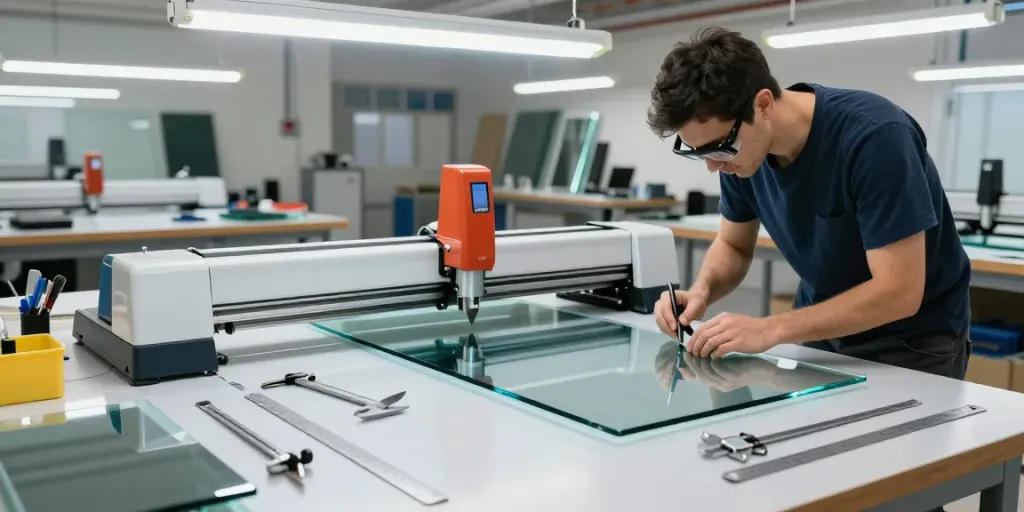
A glass cutting machine is designed to accurately cut glass sheets into predetermined sizes and shapes. These machines vary in complexity and functionality, ranging from simple manual cutters to advanced automated systems equipped with CNC (Computer Numerical Control) technology. The primary goal of these machines is to provide high-quality cuts while minimizing waste and maximizing productivity.
Types of Glass Cutting Machines
There are several types of glass cutting machines, each suited for different applications and levels of production:
- Manual Glass Cutters: These are basic tools used for small-scale projects and artistic endeavors. They require skilled labor but are cost-effective for hobbyists.
- Automated Glass Cutting Machines: These machines use CNC technology to provide precision cuts with minimal human intervention. They are ideal for large production facilities and industrial applications.
- Laser Glass Cutting Machines: Utilizing laser technology, these machines offer unparalleled precision and can cut intricate designs without creating waste, making them suitable for high-end applications.
- Water Jet Cutting Systems: Water jet machines use high-pressure water streams to cut glass. They are effective for thick glass materials and can cut various shapes without introducing thermal stress.
Key Functions of Glass Cutting Technology
Modern glass cutting machines perform multiple functions that streamline the cutting process:
- Precision Cutting: Advanced machines can execute cuts with an accuracy of millimeters, significantly reducing the risk of human error.
- Speed: Automated glass cutting machines can produce large volumes of cut glass in a short period, greatly enhancing production rates.
- Customization: Many machines allow users to input custom designs, enabling the production of unique shapes and sizes tailored to specific requirements.
- Efficiency: By minimizing material waste and optimizing cutting patterns, these machines contribute to more sustainable manufacturing practices.
Choosing the Right Glass Cutting Machine for Your Business
When selecting a glass cutting machine, it’s crucial to consider several factors that will influence your choice and ensure it meets your business needs effectively.
Factors to Consider in Selecting a Glass Cutting Machine
Key considerations include:
- Production Volume: Identify whether your business requires high-volume production or if lower quantities are sufficient.
- Material Type: Different machines are suited for various types of glass, including tempered, laminated, and low-E glass.
- Budget: Assess your financial resources. While investing in advanced machines may offer long-term savings, initial costs can be substantial.
- Space and Layout: Ensure that you have adequate space for the machine and that it fits within your operational layout.
Comparing Manual and Automated Glass Cutting Machines
Manual machines offer lower upfront costs and require less technical skill to operate, making them suitable for small workshops. In contrast, automated machines, while more expensive, provide speed and precision that manual systems cannot match, making them more suitable for larger operations. Understanding these differences will help businesses make informed decisions on which type to invest in.
Budgeting for Your Glass Cutting Equipment
Budgeting for glass cutting machines involves more than just the purchase price. Consider factors such as maintenance, operational costs, and the potential return on investment. Researching different suppliers and models can yield competitive pricing and financing options that align with your budgetary constraints.
Best Practices for Glass Cutting Operations
To ensure optimal performance and safety while using glass cutting machines, adhering to best practices is essential.
Safety Protocols in Glass Cutting
Safety should always be a priority in glass cutting operations. Workers should wear appropriate personal protective equipment, including safety glasses and gloves, to prevent injuries. Regular training on machine operation and emergency procedures can further enhance safety in the workplace.
Techniques for Efficient Glass Cutting
Employing techniques such as proper alignment, speed control, and regular calibration of machines can greatly enhance cutting efficiency. Understanding the characteristics of the glass being cut, including thickness and composition, can also influence cutting strategies.
Maintaining Your Glass Cutting Machine
Regular maintenance is critical to prolonging the life of glass cutting machines. This includes routine cleaning, regular inspections, and timely replacement of worn parts. Creating a maintenance schedule can help prevent unexpected breakdowns and enhance operational efficiency.
Trends in Glass Cutting Technology for 2026
The glass cutting industry is rapidly evolving, with several trends likely to shape the future of glass manufacturing by 2026.
Innovations in Glass Cutting Machines
Emerging technologies, such as improved robotic integration and enhanced software for design, are paving the way for smarter glass cutting machines. These innovations will streamline the cutting process and increase precision and speed.
AI and Automation in Glass Cutting Processes
Artificial Intelligence is expected to play a crucial role in the automation of glass cutting processes, allowing for predictive maintenance and optimized cutting patterns based on data analysis.
Environmental Considerations in Glass Manufacturing
With growing concerns around sustainability, future glass cutting machines will increasingly focus on minimizing waste and energy consumption, aligning with global efforts to reduce the environmental footprint of manufacturing.
Case Studies: Successful Glass Cutting Applications
Examining successful implementations of glass cutting technology can provide valuable insights for businesses considering upgrades or new investments.
Industry Leaders in Glass Cutting
Companies that have embraced advanced glass cutting technologies often see significant improvements in efficiency and product quality. Case studies from industry leaders illustrate how adopting modern machines can lead to a competitive advantage.
Comparative Analysis of Machine Efficiency
Comparing the performance of different types of glass cutting machines can highlight the benefits of investing in automation or advanced technology, such as CNC or laser cutting machines, versus traditional manual methods.
Lessons Learned from Real-World Applications
Analyzing challenges faced by other businesses can offer valuable lessons for avoiding similar pitfalls. Success stories often involve clear planning, understanding machine capabilities, and adapting to technological changes in the industry.
What should I look for when buying a glass cutting machine?
When purchasing a glass cutting machine, consider factors such as production volume, the types of glass processed, the size of your workspace, budget constraints, and the level of automation you require for your operations.
How does a glass cutting machine improve productivity?
Glass cutting machines enhance productivity by providing faster cutting speeds, reducing material waste through precision cuts, and minimizing the time required for manual processes.
What are common maintenance tips for glass cutting machines?
Keep your machines clean, regularly check for wear and tear, calibrate them according to manufacturer guidelines, and ensure that all moving parts are adequately lubricated to maintain optimal performance.
What safety measures should be observed in glass cutting?
Always wear protective gear such as goggles and gloves, ensure that work areas are clear of hazards, and follow proper operating procedures as outlined in machine manuals to prevent accidents.
What advancements can we expect in glass cutting technology by 2026?
Expect advancements in automation, AI integration, and environmentally friendly technologies that will enhance the efficiency and sustainability of glass cutting processes.