Understanding Containerized Water Treatment Systems
As the global demand for clean and safe water continues to escalate, the need for innovative water treatment solutions has never been more critical. Containerized water treatment systems have emerged as a versatile answer to the complexities of modern water management. These systems leverage modular flexibility to craft tailor-made water treatment processes for municipal, industrial, and remote locations, providing the agility necessary to adapt to renovation, expansion, and dynamic scenario shifts. When exploring options, water treatment systems manufacturer can provide comprehensive insights into the capabilities and advantages of such systems.
The Evolution of Water Treatment Technologies
Water treatment has come a long way from traditional methods involving simple filtration and sedimentation. Over the decades, advancements in technology have introduced processes like reverse osmosis (RO), ultrafiltration, and advanced oxidation. The need for quick, efficient, and portable water treatment solutions has led to the development of containerized systems that integrate these technologies into compact units capable of being deployed anywhere in the world.
What Makes Containerized Systems Unique?
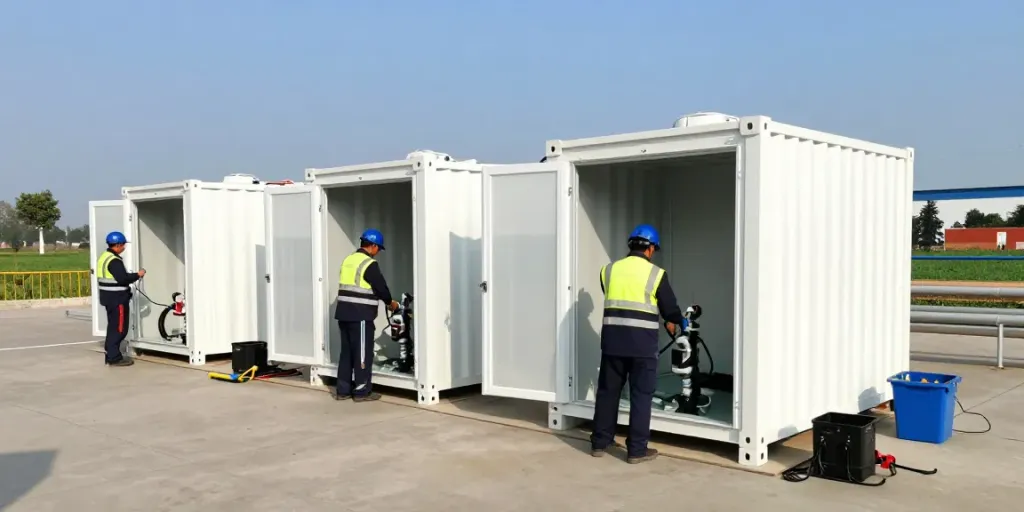
Containerized water treatment systems stand out due to their modular design, allowing for rapid deployment and scalability. Unlike traditional fixed systems that require extensive site preparation, these systems can be transported and set up in just a few days. Their design minimizes civil engineering requirements and reduces the overall space needed for installation by up to 50%, enabling them to operate in areas where space is limited or where rapid response is necessary.
Key Components of a Water Treatment System
A well-designed containerized water treatment system consists of several critical components, including:
- Pre-treatment Units: To remove larger particles and contaminants from incoming water sources.
- Filtration Systems: Such as activated carbon filters and membrane systems for fine filtering and purification.
- Disinfection Units: Employing UV light, ozone, or chemical agents to ensure water safety.
- Intelligent Control Systems: Allow for real-time monitoring and adjustments to enhance efficiency and response times.
Benefits of Modular Water Treatment Solutions
Flexibility and Adaptability for Diverse Applications
One of the standout features of containerized systems is their ability to adapt to a wide range of applications. Whether it’s serving a municipal water supply, supporting industrial processes, or providing clean water in remote locations, these systems can be tailored to meet specific needs. Their modularity enables operators to expand capacity or integrate additional functionalities, such as wastewater recycling systems, as demands change over time.
Cost Efficiency and Fast Deployment
Containerized systems necessitate significantly lower initial capital and operational costs compared to traditional systems. With deployment times reduced to 3-7 days—as opposed to 3-6 months for conventional installations—businesses can quickly respond to urgent water demands. Moreover, their compact design reduces land use, making them economically viable for various settings.
Environmental Sustainability in Water Processing
Today’s water treatment solutions must prioritize sustainability. Containerized systems excel in this regard, supporting high rates of resource recycling and the integration of reclaimed water reuse modules. This resource-efficient approach can achieve recycling rates of up to 80%, significantly reducing environmental impact while effectively managing water resources.
How to Assess a Water Treatment Systems Manufacturer
Quality Assurance and Compliance Standards
When selecting a water treatment systems manufacturer, it is essential to assess their quality assurance protocols and compliance with international standards. Certifications such as ISO 9001 ensure that the manufacturer adheres to rigorous quality control practices, which are crucial for ensuring the safe production of potable water.
Technological Innovations from Manufacturers
Leading manufacturers are constantly innovating to enhance the efficiency and effectiveness of their systems. Features such as smart monitoring capabilities, remote operation, and predictive maintenance can significantly improve water quality management and operational efficiency, making these advancements an essential consideration in the selection process.
Customer Support and Service Options
Reliable customer support is vital for any manufacturer. Evaluate the availability of training programs, technical support, and maintenance services. A responsive customer service team can be a game-changer in minimizing downtime and ensuring optimal system performance.
Real-World Applications and Case Studies
Municipal Uses of Containerized Water Solutions
Municipalities worldwide are increasingly deploying containerized water treatment solutions to address urgent water quality issues. For instance, cities facing drought conditions have utilized these systems to provide immediate access to clean drinking water, drastically improving public health and safety.
Industrial Applications and Success Stories
Industries such as pharmaceuticals and manufacturing require ultra-pure water for their processes. Containerized systems equipped with reverse osmosis and EDI technologies have proven effective in producing high-purity water, ensuring compliance with industry standards and maintaining product quality.
Remote Location Implementation Strategies
In remote areas where traditional water treatment infrastructure is impractical, containerized solutions have facilitated access to clean water. For example, during natural disasters, these systems can be swiftly deployed to restore water supply and sanitation, demonstrating their essential role in emergency response.
Future Trends in Water Treatment Systems
Predicted Innovations and Advancements for 2026
The future of water treatment systems will likely be characterized by continued integration of advanced technologies, including AI for predictive analytics and automation. These innovations will enhance decision-making, enabling operators to manage resources more effectively and respond to challenges proactively.
The Role of AI and Smart Monitoring in Water Treatment
Artificial intelligence will play an integral role in the evolution of water treatment systems. Smart monitoring solutions will allow for real-time data analysis, leading to quicker identification of issues, optimized performance, and significant cost savings by reducing resource waste.
Strategies for Sustainable Water Resource Management
As the global population grows, sustainable water resource management will require innovative strategies that prioritize efficiency, conservation, and the integration of alternative water sources. Containerized water treatment systems are well-positioned to support these strategies due to their flexibility and resource recycling capabilities.
What Should Consumers Look for in Water Treatment Systems?
When evaluating potential water treatment solutions, consumers should prioritize systems that offer high adaptability, rapid deployment, and robust quality assurance processes. Additionally, manufacturers that commit to continuous innovation and exemplary customer service will likely provide superior long-term value.
How to Choose the Right System for Your Needs?
Selecting the right water treatment system involves understanding specific requirements, including water quality standards, volume needs, and operational capabilities. An in-depth assessment of site conditions and future scalability will inform the best choice for your organization.
What are the costs associated with containerized systems?
Costs can vary significantly based on system specifications, technology employed, and installation requirements. While the initial investment may be higher than traditional systems, the rapid deployment and lower operational costs generally result in a favorable total cost of ownership over time.
How do modular systems compare to traditional setups?
Modular systems typically offer greater flexibility, quicker installation times, and a higher reusability rate compared to traditional setups. Traditional systems often require extensive civil engineering and long construction timelines, while modular systems can adapt to changing demands and locations with ease.
What is the lifetime expectancy of these systems?
The longevity of containerized water treatment systems can exceed 20 years with proper maintenance. Regular inspections and adherence to manufacturer guidelines will ensure optimal performance throughout their lifecycle.
Can these systems be used in emergency situations?
Yes, containerized systems are ideally suited for emergency response. Their portability allows for rapid deployment in disaster-stricken areas, providing essential water treatment services where they are needed most.
What certifications should a manufacturer have?
Look for manufacturers with international certifications such as ISO 9001 and product-specific certifications like NSF/ANSI for drinking water systems. These attest to their commitment to quality and safety in water treatment solutions.