Understanding Product Configurators: Benefits and Features
In the evolving landscape of manufacturing, the demand for customization and efficiency has never been sharper. A product configurator for manufacturers serves as a crucial tool in meeting these demands, enabling businesses to tailor products to specific customer needs while streamlining operations. By leveraging 3D configurations, organizations can provide a more engaging sales experience, minimize errors in orders, and accelerate the time-to-market for complex, customized products.
What is a Product Configurator for Manufacturers?
A product configurator is a software tool that allows users to create customized products by selecting from various predefined options. For manufacturers of complex products, this means offering customers the ability to specify dimensions, materials, colors, and other features directly online, ensuring that each product meets their unique requirements. By facilitating this process, manufacturers can not only enhance customer satisfaction but also gain valuable insights into market trends and consumer preferences, ultimately guiding product development initiatives.
Key Features of Effective Configurators
For a product configurator to be truly effective, it must include a set of core features that enhance both user experience and operational efficiency:
- 3D Visualization: Provides a real-time view of the custom product, allowing users to see how their configurations will look before making a purchase.
- Dynamic Pricing: Automatically updates prices based on selected options, ensuring transparency and clarity throughout the configuration process.
- Bill of Materials (BOM) Generation: Automatically creates detailed BOMs that align with customer selections, enhancing accuracy in production planning.
- Integration Capabilities: Seamlessly connects with existing CRM, ERP, and inventory systems to streamline workflows and improve data accuracy.
- User-Friendly Interface: An intuitive design that guides users through the configuration process, minimizing the learning curve and maximizing engagement.
Advantages of Using 3D Visualizations in Sales
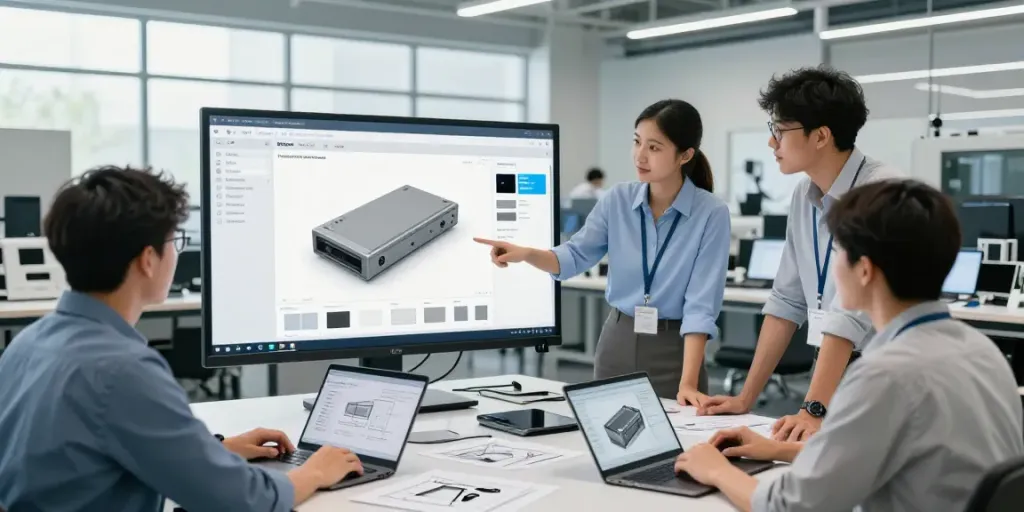
Integrating 3D visualizations into the configuration process offers several advantages for manufacturers. Firstly, 3D models provide a more interactive experience, allowing customers to explore their options with greater detail. This can lead to higher conversion rates as customers are more likely to finalize purchases when they can visualize the end product. Additionally, 3D configurators help reduce the number of returns, as customers are able to make informed decisions based on what they see, thus minimizing misunderstandings about product specifications.
Common Challenges in Implementing a Product Configurator
Technical Difficulties: Integration with Existing Systems
Implementing a product configurator is not without its challenges. One of the most significant hurdles is the technical integration with existing systems. Manufacturers often use various software solutions for inventory management, customer relationship management (CRM), and enterprise resource planning (ERP). Ensuring that the configurator can communicate seamlessly with these systems is essential for maintaining data integrity and operational efficiency.
User Experience: Ensuring an Intuitive Interface
User experience (UX) plays a critical role in the success of a product configurator. If the interface is not intuitive, customers may become frustrated and abandon their configuration. Manufacturers need to invest time in user testing and feedback to ensure the configurator is easy to navigate. A well-designed user interface enables customers to make selections effortlessly, significantly enhancing satisfaction and increasing the likelihood of completed transactions.
Data Management Issues: Handling Complex Product Rules
Another common challenge involves managing complex product rules within the configurator. Each product may have specific combinations of features, dimensions, and materials that are valid for production. Manufacturers must ensure their configurators are equipped to handle these intricacies accurately to avoid configuration errors. This often requires a robust back-end system that can adapt to various product configurations and rules without manual intervention.
Best Practices for Configurator Development
Setting Up an Effective Workflow for Configuration
To develop a successful product configurator, manufacturers should establish an effective workflow that encompasses all stages of the configuration process. This includes defining product rules, mapping components, and integrating with supply chain logistics. By creating a systematic approach, manufacturers can ensure that user configurations translate smoothly into actionable tasks for production teams.
Collaborating with Product Teams for Accurate Results
Collaboration between sales, engineering, and production teams is vital in the configurator development process. Engaging product teams early can provide insights into feasible configurations and help avoid potential production bottlenecks later on. Moreover, continuous collaboration ensures that the configurator remains aligned with the latest product offerings and technological advancements.
Continuous User Feedback: A Key to Improvement
Implementing a mechanism for continuous user feedback can greatly enhance the performance of a product configurator. By regularly gathering insights from users, manufacturers can identify pain points and areas for improvement. This iterative process not only helps refine the user experience but also keeps the configurator relevant as customer expectations and industry standards evolve.
Real-World Applications of Product Configurators
Case Study: How Configurix Enhanced Elite Aluminum's Sales Process
A notable example of a successful product configurator implementation is Configurix's work with Elite Aluminum. By developing a specialized configurator for their pergola and sunroom products, Configurix helped streamline Elite Aluminum’s sales process. The new configurator enabled real-time pricing adjustments and automatic BOM generation, significantly reducing the sales cycle time and enhancing overall efficiency.
Exploring Configurator Implementations in Furniture Manufacturing
In the furniture manufacturing sector, configurators have revolutionized how customers interact with products. Companies can allow customers to design their furniture by selecting styles, materials, and dimensions directly online. This not only improves customer engagement but also increases sales. With features like 3D visualization and dynamic pricing, furniture manufacturers can better meet customer demands while optimizing their production capabilities.
Success Metrics: Measuring Impact on Sales and Customer Satisfaction
Evaluating the impact of a product configurator on sales and customer satisfaction involves analyzing various success metrics. Key indicators include conversion rates, average order values, and customer feedback scores. By systematically measuring these metrics post-implementation, manufacturers can gain insights into the configurator’s effectiveness and identify areas for optimization.
The Future of Product Configuration in Manufacturing
Emerging Technologies and Trends for 2026
As we look towards 2026, several emerging technologies are set to reshape the landscape of product configuration in manufacturing. Advances in augmented reality (AR) and virtual reality (VR) technologies will enable immersive customer experiences, allowing users to interact with 3D models more dynamically. This shift will further enhance the buying process, making it easier for customers to visualize their configurations in a real-world context.
Integrating AI and Machine Learning in Configurators
The integration of artificial intelligence (AI) and machine learning into configurators will provide manufacturers with tools to predict customer preferences and offer personalized recommendations. By analyzing historical configuration data, AI can help refine the configurator's rules and improve user engagement. This predictive capability can lead to higher conversion rates and improved customer satisfaction by delivering tailored experiences.
Preparing for Shifts in Consumer Expectations and Market Demand
As consumer expectations continue to evolve, manufacturers must remain agile. The demand for customization will only grow, necessitating continued investment in product configurators. Keeping a pulse on market trends and consumer feedback will be critical for manufacturers looking to stay competitive. Those that leverage configurators effectively will not only meet consumer demands but also set themselves apart in a saturated market.
What is the best product configurator software?
This question is highly contextual and varies by industry and specific needs. The best configurators typically offer robust integration capabilities, excellent user experience, and support for complex product configurations. Manufacturers should evaluate solutions based on their unique requirements and operational workflows.
How to create a product configurator?
Creating a product configurator involves several steps: defining product specifications, gathering input from stakeholders, developing a user-friendly interface, testing thoroughly, and launching the configurator while gathering user feedback for continuous improvements. It’s essential to work closely with technical teams throughout this process to ensure a seamless implementation.
What does "product configurator" mean?
A product configurator is a digital tool that allows customers or sales teams to define custom products by selecting from a range of features, options, and specifications. This tool is especially valuable for manufacturers of complex or made-to-order products, allowing for streamlined sales processes and enhanced customer interaction.
What does a configurator do?
A configurator automates the product customization process by enabling users to select attributes that then generate a unique product specification. It can also handle pricing, generate BOMs, and integrate with other systems to facilitate order processing and production planning.
Can a configurator improve sales efficiency?
Yes, by simplifying the configuration process and reducing time spent on manual inputs, a configurator can significantly enhance sales efficiency. It allows sales teams to focus more on customer engagement rather than administrative tasks, ultimately leading to faster sales cycles and increased revenues.