Understanding Epoxy Flooring
Epoxy flooring has gained significant popularity in various industries and residential applications due to its durability, aesthetic appeal, and low maintenance requirements. As a combination of polymer resins and hardeners, epoxy flooring creates a strong and resilient surface that can withstand heavy foot traffic and harsh conditions. Its versatility allows it to be used in garages, commercial spaces, and even residential homes, helping it to stand out among other flooring options.
When exploring options, Epoxy Flooring provides comprehensive insights into the variety of applications and designs available. This article will delve into the various aspects of epoxy flooring, highlights its benefits, and guides you on choosing the right type for your needs.
What is Epoxy Flooring?
At its core, epoxy flooring is a flooring system made from a mixture of synthetic resins and hardeners. When combined, these components create a chemical reaction that results in a rigid plastic material that is exceptionally sturdy and resistant to damage. The epoxy can be applied over existing concrete floors, making it a popular choice for resurfacing and decorating surfaces that may otherwise appear dull or worn out.
One of the defining characteristics of epoxy flooring is its seamless design, which reduces the chances of discoloration, stains, and damage from moisture. This makes it particularly valuable in areas where hygiene is crucial, such as kitchens and healthcare facilities, as its non-porous surface deters the growth of bacteria and mold.
Benefits of Epoxy Floors
Epoxy flooring systems offer numerous advantages that cater to both aesthetic and functional needs. Some key benefits include:
- Durability: Epoxy floors are highly resistant to wear and tear, chemicals, and impacts, making them suitable for high-traffic areas.
- Low Maintenance: Cleaning epoxy floors requires minimal effort—just routine sweeping and mopping with mild cleaning solutions.
- Aesthetic Versatility: With a wide variety of colors, patterns, and finishes available, epoxy flooring can easily complement any design style.
- Safety: Many epoxy systems can be formulated to enhance slip resistance, adding an additional safety layer for users.
- Cost-Effectiveness: Given its longevity and minimal maintenance needs, epoxy flooring presents a cost-effective solution in the long run.
Types of Epoxy Flooring Systems
There are several types of epoxy flooring systems tailored to different applications and environments. Some of the most common systems include:
- Self-Leveling Epoxy: Ideal for creating a smooth surface over uneven or damaged concrete floors, self-leveling epoxy is particularly useful in industrial settings.
- Epoxy Mortar Floors: Known for their high durability, this type of flooring is often used in areas exposed to heavy machinery and chemical spills.
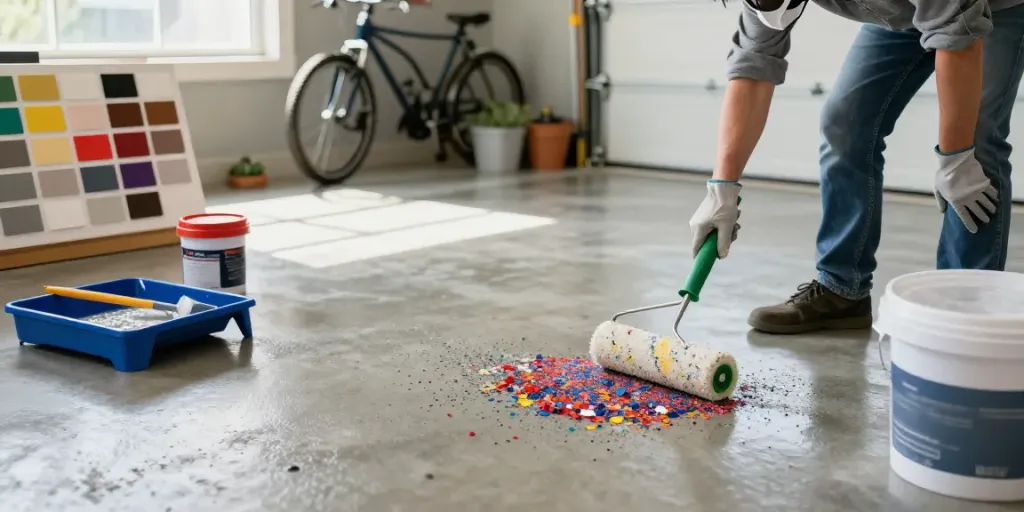
- Flake Epoxy Flooring: This decorative system incorporates colored vinyl flakes, creating a visually appealing, textured surface ideal for garages and commercial spaces.
- Metallic Epoxy: A modern aesthetic choice, metallic epoxy floors provide a stunning, three-dimensional effect that can be customized in numerous ways.
Choosing the Right Epoxy Flooring
Selecting the appropriate epoxy flooring system hinges on a variety of factors, including the specific environment, intended use, and design preferences. Understanding these elements will help ensure you make an informed choice that meets your needs.
Factors to Consider When Selecting Epoxy
When moving forward with your epoxy flooring selection, consider the following factors:
- Environment: Assess the type of space where the flooring will be installed. Industrial settings may require more robust options, while residential spaces might benefit from decorative varieties.
- Traffic Levels: High-traffic areas necessitate more durable systems that can withstand frequent use without degrading.
- Design Preference: Choose colors and patterns that align with your aesthetic vision, ensuring that your flooring complements surrounding decor.
- Cost: Budget considerations may influence your decision as some systems may come at a premium for specific features and aesthetics.
Best Selling Colors and Styles
One of the appealing aspects of epoxy flooring is the extensive range of colors and styles available to suit personal preferences and brand identity. Popular colors include:
- Classic Gray: Timeless and adaptable, gray is a go-to choice for both commercial and residential spaces.
- Blue and Teal Shades: These calming colors are often favored in creative environments, adding a modern touch.
- Earth Tones: Colors like brown, beige, and olive green create a warm and inviting atmosphere in any setting.
Exploring different styles and finishes can elevate the overall aesthetic of your space, allowing for a unique, personalized look.
Eco-Friendly Options and VOC-Free Materials
As sustainability becomes increasingly important in flooring solutions, many epoxy manufacturers are now offering eco-friendly options that utilize VOC-free (volatile organic compounds) materials. These options are not only safer for the environment but also contribute to healthier indoor air quality. Utilizing such materials during application reduces harmful emissions and minimizes the overall environmental impact.
Eco-friendly epoxy flooring combined with attractive colors ensures you can enjoy the aesthetic without compromising your commitment to sustainability.
Preparation and Installation Process
Proper preparation and installation are critical for achieving optimal results with epoxy flooring. Understanding each step will help you avoid common pitfalls and ensure a successful outcome.
Pre-installation Requirements and Surface Preparation
Before the installation process can begin, it’s crucial to ensure that the concrete surface is adequately prepared. Steps to consider include:
- Cleaning: Remove all dirt, grease, and debris from the concrete surface.
- Repair: Fill in any cracks or holes to create a smooth surface for the epoxy application.
- Grinding: In some cases, it may be necessary to grind the concrete to improve adhesion.
Step-by-Step Installation Guide
The installation of epoxy flooring can be completed in several straightforward steps:
- Mixing: Prepare the epoxy resin and hardener according to the manufacturer's instructions.
- Application: Pour the mixed epoxy onto the prepared surface and spread it evenly using a squeegee.
- Flake Distribution: If using flake epoxy, scatter the colored flakes evenly over the surface while the epoxy is still wet.
- Curing: Allow the epoxy to cure according to the guidelines, typically taking 24 to 72 hours.
Common Mistakes to Avoid
To ensure a successful installation, avoid these common mistakes:
- Inadequate Preparation: Skipping steps in the surface preparation phase can result in poor adhesion and performance.
- Incorrect Mixing Ratios: Follow manufacturer instructions strictly for accurate mixing ratios to prevent curing issues.
- Poor Ventilation: Ensure proper ventilation during installation for a safe environment and effective curing.
Maintenance and Longevity of Epoxy Floors
Once installed, maintaining epoxy flooring is relatively simple, which contributes to its longstanding appeal. However, understanding maintenance protocols is vital to prolong its life and retain its aesthetic charm.
Regular Cleaning Techniques
To keep epoxy floors looking their best:
- Daily Sweeping: Remove dirt and debris to prevent scratches and scuff marks.
- Mopping: Monthly mopping with a pH-neutral cleaner can help maintain shine and cleanliness.
How Long Does Epoxy Flooring Last?
When properly installed and maintained, epoxy flooring can last anywhere from 10 to 20 years, depending on usage and environmental conditions. The longevity is particularly notable in areas with less wear and tear.
Signs of Wear and When to Recoat
Monitoring your floors for signs of wear such as fading, chipping, or cracking is crucial for effective maintenance. If you notice any significant issues, consider recoating with a new layer of epoxy to restore the surface.
Future Trends in Epoxy Flooring
The epoxy flooring market continues to evolve with advances in technology and changing consumer preferences. Staying informed about trends will enable you to make proactive decisions for your flooring needs.
Innovative Technologies in Epoxy Applications
New technologies are streamlining the installation process and enhancing the performance of epoxy flooring. Innovations like self-healing resins and bio-based materials are gaining traction and attracting environmentally conscious consumers.
Predictions for Epoxy Flooring Market in 2026
Experts predict continued growth in the epoxy flooring market, driven by increasing demand for durable yet aesthetic options across commercial and residential sectors. The shift toward sustainable materials is expected to influence market dynamics significantly.
Customer Preferences for Design and Functionality
As aesthetics become increasingly critical for consumers, expect a rise in demand for custom designs and finishes. Options that combine functionality with eye-catching designs will dominate consumer decision-making in the years to come.