Understanding Gastric Cancer: Symptoms and Diagnosis
Gastric cancer, commonly known as stomach cancer, poses significant health challenges worldwide, particularly in densely populated regions like the UAE. This form of cancer arises when abnormal cells in the stomach grow uncontrollably, creating tumors that can invade surrounding tissues and organs. Early detection and accurate diagnosis are crucial for effective treatment, making it essential for individuals to understand the symptoms and seek timely medical advice. When exploring options, Gastric cancer treatment Abu Dhabi offers comprehensive insights into this complex disease.
Common Symptoms of Gastric Cancer
Recognizing the symptoms of gastric cancer is vital for early diagnosis and intervention. Common signs may include:
- Persistent stomach pain or discomfort
- Unexplained weight loss
- Loss of appetite
- Nausea or vomiting, especially if it contains blood
- Difficulty swallowing or a sensation of fullness
- Fatigue or weakness
- Bloating after meals
If you experience any of these symptoms consistently, it’s essential to consult a healthcare professional for further evaluation.
Diagnostic Procedures for Accurate Assessment
Once symptoms are present, a range of diagnostic tests can help confirm the presence of gastric cancer. These may include:
- Endoscopy: A procedure using a thin, flexible tube with a camera to visualize the stomach lining and obtain tissue samples.
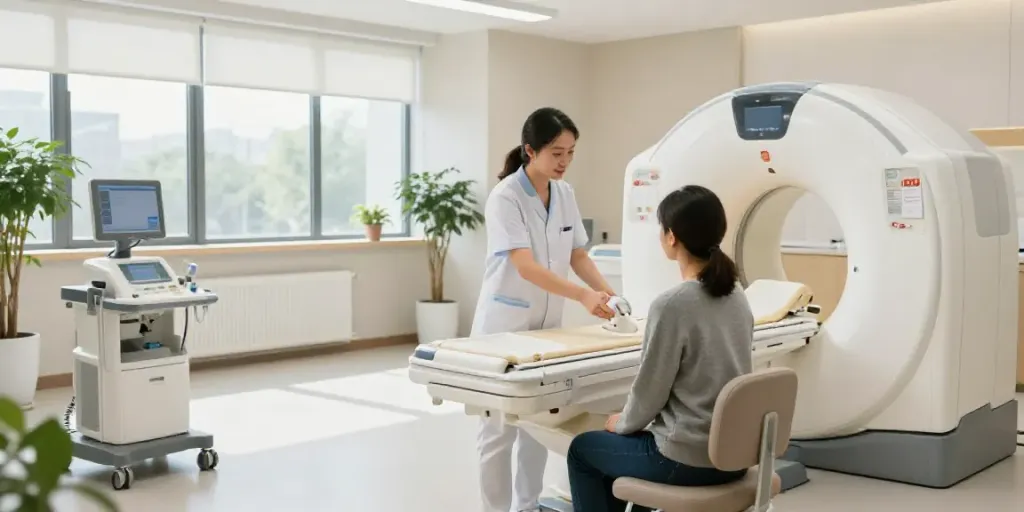
- Imaging Tests: Techniques such as CT scans or MRIs that provide detailed pictures of the stomach and surrounding structures.
- Biopsy: A definitive procedure to analyze tissue samples for cancerous cells.
Early detection through these methods can significantly influence treatment success rates.
The Role of Early Detection in Treatment
Early detection of gastric cancer can lead to more effective treatment options and better outcomes for patients. As the disease progresses, treatment options may become more limited and less effective. Understanding risk factors, recognizing symptoms, and seeking timely medical assessments can ultimately save lives.
Gastric Cancer Treatment Options Available in Abu Dhabi
Abu Dhabi has become a hub for advanced gastric cancer treatment options, providing various therapies tailored to individual patient needs. Innovative approaches, skilled healthcare professionals, and state-of-the-art facilities create a supportive environment for patients navigating their cancer journey.
Surgical Interventions and Techniques
Surgery is often the first line of treatment for gastric cancer, especially if it is detected in the early stages. Common surgical procedures include:
- Partial Gastrectomy: Removal of a part of the stomach.
- Total Gastrectomy: Complete removal of the stomach.
- Lymphadenectomy: Removal of nearby lymph nodes to assess the spread of cancer.
Each of these procedures aims to remove cancerous tissues and improve the patient's quality of life.
Chemotherapy and Radiotherapy Explained
Chemotherapy utilizes drugs to kill cancer cells or inhibit their growth. It may be administered before surgery (neoadjuvant chemotherapy) to shrink tumors or after (adjuvant chemotherapy) to eliminate remaining cells. Radiotherapy, on the other hand, uses high-energy rays to target cancer cells, often complementing surgical procedures to enhance treatment effectiveness.
Innovative Treatments: Immunotherapy and Targeted Therapy
Recent advancements in cancer treatment have introduced immunotherapy and targeted therapy as promising options for gastric cancer patients. Immunotherapy helps the immune system recognize and fight cancer cells, while targeted therapy focuses on specific genetic changes in tumors. Both approaches aim to complement existing treatments and provide new avenues for patients.
Multidisciplinary Approach: Who's Involved in Your Care?
The comprehensive care of gastric cancer patients involves a multidisciplinary team of specialists who collaborate to develop personalized treatment plans. This team may include:
- Oncologists specializing in medical, radiation, and surgical oncology
- Gastroenterologists for digestive health
- Nurses trained in oncology care
- Dietitians for nutritional support
- Social workers to assist with emotional and logistical needs
Meet the Healthcare Team for Gastric Cancer
At leading facilities in Abu Dhabi, you may encounter a diverse healthcare team, including:
- John H. Rodriguez, MD - Expert in surgical oncology
- Ammar Kheir, MBBS - Medical oncologist specializing in gastrointestinal cancers
- Aydamir Alrakawi, MD - Gastroenterologist with a focus on treatment protocols
This collaborative environment ensures a well-rounded approach to patient care, addressing both medical and emotional needs.
Integrative Support Services in Treatment
Complementary services play a crucial role in the overall treatment experience. Patients can benefit from:
- Pain Management: Comprehensive strategies to manage discomfort during treatment.
- Nutritional Counseling: Guidance on maintaining a healthy diet, especially during treatment.
- Psychosocial Support: Counseling services to address emotional well-being and family dynamics.
The Importance of Care Coordination
Effective coordination among healthcare providers enhances treatment efficiency and patient satisfaction. Regular meetings of the multidisciplinary team allow for continuous evaluation of patient progress and treatment adjustments as necessary.
Prevention Strategies and Lifestyle Modifications
While not all gastric cancer cases are preventable, certain lifestyle modifications can significantly reduce risk factors associated with the disease. By adopting healthier habits and maintaining regular screenings, individuals can play a proactive role in their health.
Risk Factors for Gastric Cancer
Understanding the risk factors that may contribute to gastric cancer is essential. Common risk factors include:
- Family history of gastric cancer
- Infection with Helicobacter pylori bacteria
- Long-term inflammation of the stomach
- Diet high in salted, smoked, or pickled foods
- Obesity and sedentary lifestyle
Awareness of these factors can encourage individuals to make informed health choices.
Healthy Lifestyle Choices to Reduce Risk
Implementing changes such as a balanced diet rich in fruits and vegetables, maintaining a healthy weight, and avoiding tobacco can lower the risk of developing gastric cancer. Engaging in regular physical activity also contributes significantly to overall health.
Screening Recommendations and Guidelines
Individuals with a family history of gastric cancer or other risk factors may be advised to undergo screening tests, such as upper gastrointestinal endoscopy. Regular check-ups and open discussions with healthcare providers can facilitate early detection and timely intervention.
Patient Stories: Experiences and Successes in Abu Dhabi
While statistics and medical guidelines are essential, the most poignant aspects of cancer treatment can often be found in the personal stories of those who have faced gastric cancer. These narratives can inspire hope and resilience.
Inspiring Patient Journeys through Treatment
Many individuals share their transformative journeys from diagnosis through recovery, illustrating the importance of a comprehensive care approach. These stories emphasize the psychological and emotional milestones alongside medical achievements.
Lessons Learned and Community Support
Support groups and community resources provide invaluable networks for individuals navigating similar challenges. By sharing experiences and strategies, patients can find comfort and motivation amid their journeys.
How to Get Involved and Share Your Story
Patients and families can participate in awareness campaigns or support networks, allowing them to contribute to broader discussions regarding gastric cancer. Sharing personal stories can inspire others and foster a supportive community.
Is gastric cancer treatment free in the UAE?
The cost of gastric cancer treatment can vary widely depending on the facility and specific treatment needed. Many insurance providers in the UAE offer coverage for cancer treatment, significantly alleviating the financial burden on patients.
What are the best options for gastric cancer treatment in Abu Dhabi?
Abu Dhabi hosts advanced treatment facilities equipped with state-of-the-art technologies and expert medical teams. Options range from surgical interventions to innovative therapies, ensuring comprehensive care tailored to individual patient needs.
How does the multidisciplinary approach impact patient outcomes?
Research indicates that a multidisciplinary approach to cancer care improves patient outcomes by fostering collaboration among specialists and ensuring comprehensive treatment plans that address all aspects of a patient’s health.
What lifestyle changes can help prevent gastric cancer?
Adopting a healthier lifestyle that includes a balanced diet, regular exercise, and avoidance of known risk factors can significantly reduce the chances of developing gastric cancer. Engaging in proactive health measures is crucial.
How to navigate insurance for gastric cancer treatment in Abu Dhabi?
Patients are encouraged to consult directly with their insurance providers to understand coverage options and ensure that necessary treatments are accessible. Clear communication is key to navigating the financial aspects of cancer care.