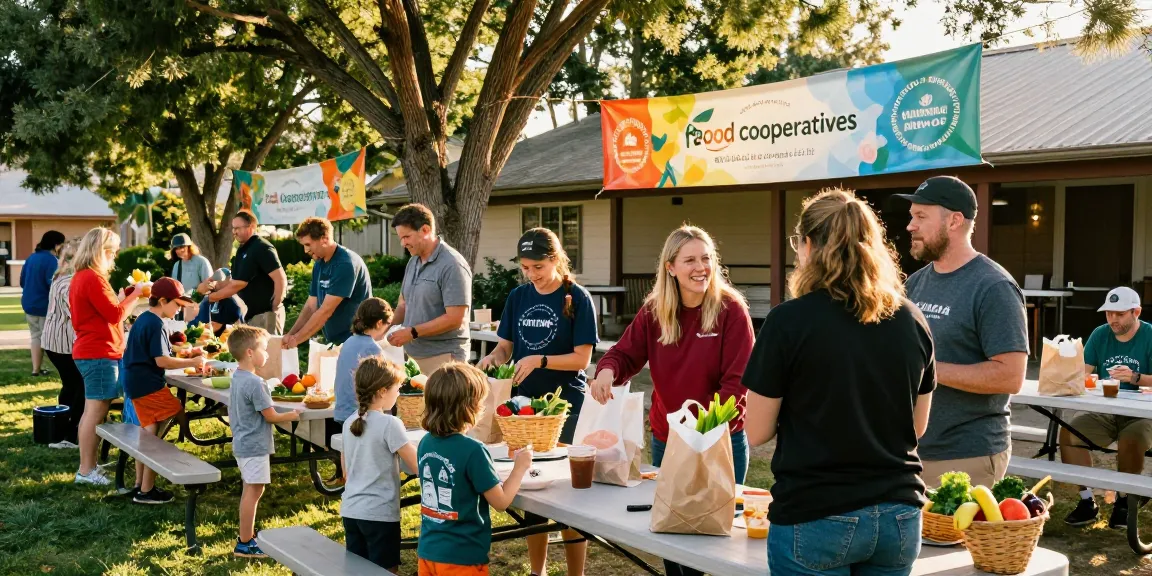
The Importance of Local Food Cooperatives
As communities evolve, food cooperatives emerge as vital lifelines, fostering local agriculture while ensuring that everyone has access to fresh, healthy food. These cooperatives bridge the gap between local farmers and residents, promoting sustainable practices and encouraging community involvement. Within the framework of Sonoma Springs Community Hall, the significance of food cooperatives is underscored, as they play a critical role in community health and resilience. For more insights on our initiatives and community programs, visit springshall.org.
What are Food Cooperatives?
Food cooperatives are community-owned enterprises that provide residents with access to affordable, locally sourced food. They operate on the foundational principles of cooperation and sustainability, ensuring profits are reinvested back into the community. Unlike traditional grocery stores, food cooperatives often prioritize local farmers, valuing organic and seasonal produce. This model not only supports local economies but also fosters a sense of community as members participate in decision-making processes regarding the food available to them.
The Benefits of Supporting Local Agriculture
- Economic Stability: Local food cooperatives help sustain local economies by keeping money within the community, which in turn supports local farmers and businesses.
- Environmental Sustainability: By sourcing food locally and reducing transportation emissions, cooperatives significantly lessen the community’s carbon footprint.
- Access to Fresh Produce: Local food cooperatives increase the availability of fresh, organic produce, often at lower prices than conventional grocery chains.
Building Community Resilience through Food Access
Community resilience is bolstered when food cooperatives facilitate access to nutritious food. These initiatives empower individuals and families, giving them the resources they need to make healthier choices. Moreover, they offer educational programs around nutrition and cooking, enabling community members to make the most of the produce available to them. When residents can access quality food, the entire community benefits in terms of health, wellness, and cohesion.
Key Programs at Sonoma Springs Hall
Overview of the Farmer’s Friend Initiative
The Farmer’s Friend initiative exemplifies the commitment of Sonoma Springs Hall to enhance food access in the community. By connecting local farmers with those in need, this program has successfully distributed thousands of pounds of fresh produce to vulnerable families. Funded by donations and community support, Farmer’s Friend works tirelessly to ensure that high-quality organic food is available to all, regardless of socio-economic status.
Impact of Food For All / Comida Para Todos
Food For All, a critical partner of Sonoma Springs Hall, has implemented various programs aimed at reducing food insecurity. Their initiatives include gleaning surplus produce from local farms and redistributing it to families in need. This collaboration not only prevents food waste but also strengthens community ties, as volunteers and farmers work together towards a common goal.
Volunteer Opportunities and Community Participation
Volunteering at Sonoma Springs Hall presents an opportunity for residents to engage directly with their community. The Hall regularly seeks volunteers for their food distribution events and educational workshops. By participating, individuals can gain valuable experience, meet like-minded neighbors, and contribute to the local food movement. Whether through gleaning, distributing food, or supporting educational programs, every bit of help strengthens the impact of these initiatives.
Challenges Facing Local Food Distribution
Barriers to Accessing Fresh Produce
Despite the clear benefits of food cooperatives, several challenges hinder access to fresh produce. Geographic barriers, particularly in rural areas, can limit residents’ ability to reach local food outlets. Additionally, transportation issues may also prevent individuals from accessing fresh food, particularly those without reliable vehicles.
Cost and Education on Organic Food Value
One of the substantial barriers is the perceived higher cost of organic products compared to conventional options. Many individuals may not fully understand the long-term health benefits and sustainability of consuming organic produce, which leads to hesitance in purchasing these items. Educational programs aimed at showcasing the value of organic food are essential for overcoming these misconceptions.
Addressing Food Insecurity in Sonoma Valley
Food insecurity remains a pressing issue in Sonoma Valley. Many families struggle to afford healthy food options, leading to reliance on low-cost, processed foods that do not meet nutritional needs. Addressing this issue requires a multifaceted approach, combining food education, economic support, and community mobilization to ensure every resident has access to healthy, sustainable food sources.
Real-Life Success Stories
Case Study: Over 4000 Pounds of Produce Distributed
A remarkable achievement of the Farmer’s Friend program is the distribution of over 4000 pounds of local produce during a critical period. This initiative not only fed families in need but also raised awareness about the importance of local agriculture. Through partnerships with farmers and volunteers, the program successfully addressed immediate needs and laid the groundwork for future sustainability.
Testimonials from Volunteers and Farmers
Feedback from participants in the food cooperative initiatives reveals a transformative impact on their lives and the community. Volunteers often express a sense of fulfillment and community spirit, while farmers appreciate the opportunities to contribute to food security efforts. These testimonials highlight the interconnectedness of the community and the essential role of local food cooperatives.
Community Events that Foster Engagement
Engagement initiatives, such as community markets and educational workshops, serve as platforms for promoting local food cooperatives. These events foster connections among residents and encourage participation in local agriculture. By hosting cooking demonstrations and farm tours, Sonoma Springs Hall aims to create a culture of food literacy and appreciation within the community.
Future of Local Food Initiatives in 2026
Emerging Trends in Food Cooperatives
As we look towards 2026, the landscape of food cooperatives is evolving. Trends such as enhanced technology for distribution and online cooperative models are likely to gain traction. These innovations can streamline access to fresh produce, especially for those living in isolated areas. Additionally, as consumer awareness of health and environmental issues increases, more individuals may turn to cooperatives for their grocery needs.
How Technology is Enhancing Local Food Access
Technology plays a critical role in improving food access. Advances in logistics and communication have made it easier for cooperatives to connect with consumers. For instance, mobile apps can facilitate order placements and notifications for food distributions, ensuring that community members remain informed and engaged. As technology continues to develop, its integration within food cooperatives will become increasingly vital.
Visions for Sustainable Agriculture in Sonoma Valley
In the coming years, a greater emphasis on sustainability will shape the future of agriculture in Sonoma Valley. Initiatives focusing on regenerative practices and permaculture are gaining popularity, further connecting local food systems with environmental stewardship. The aim is to create a holistic approach that benefits both the land and the community.
What is the Future of Food Cooperatives?
The future of food cooperatives looks promising, with increasing awareness of the importance of local food systems. As more individuals recognize the value of supporting local agriculture, the demand for food cooperatives is likely to grow. This shift could lead to the establishment of new cooperatives and expansion of existing ones, providing even more resources and community engagement opportunities.
How Can You Get Involved?
Community members can play a crucial role in the success of local food cooperatives by volunteering, becoming members, or simply by advocating for these initiatives. Engaging with food cooperatives provides a sense of ownership and agency in one’s food system. Whether it’s through donating time, resources, or promoting awareness, every action contributes to the sustainability of local agriculture and food access.