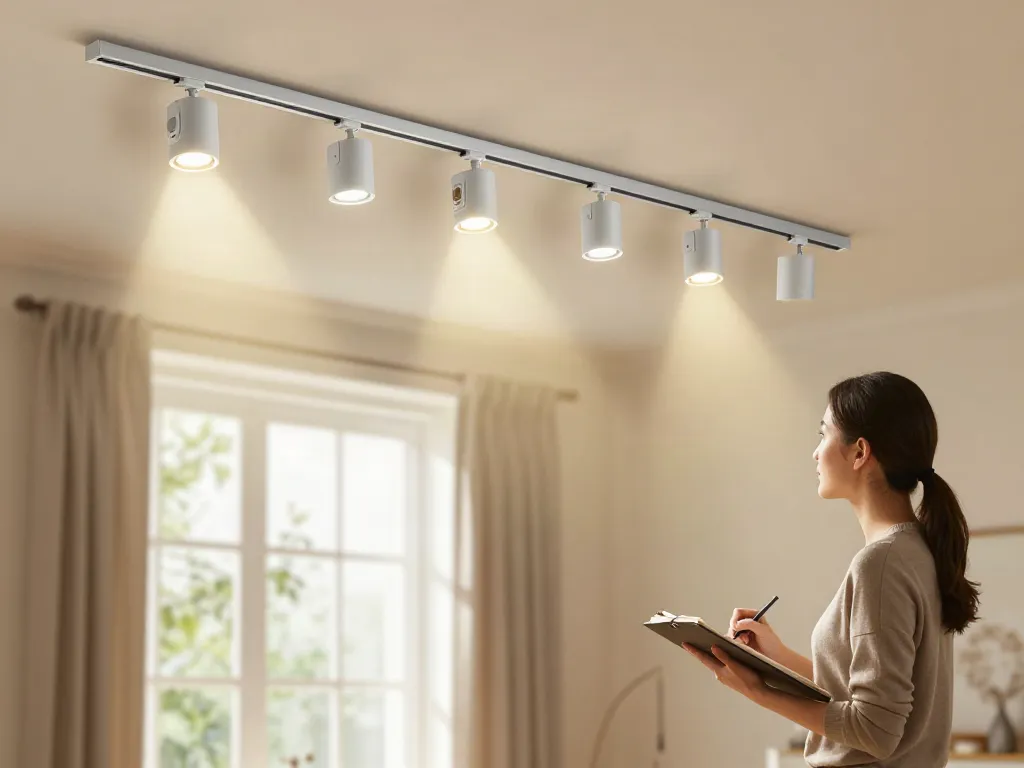
Understanding the Role of a Full Service Design Build Contractor
The remodeling process can often seem overwhelming, especially when juggling various contractors for design and construction phases. This is where a full service design build contractor becomes invaluable. By offering an integrated approach, these contractors ensure that the communication between design and execution flows seamlessly, significantly reducing the stress of home renovations.
Defining Design-Build in the Casino Industry
In the realm of casino development, the design-build model has gained traction for its ability to merge creativity with functionality. A design-build contractor takes on the responsibility of both the architectural design and the construction processes under one contract. This single point of accountability helps in streamlining decision-making, optimizing resource allocation, and adhering to stricter deadlines, creating an environment that fosters innovation while maintaining cost-effectiveness.
When designing a casino, factors such as guest experience, ambiance, and regulatory compliance are crucial. A well-executed design influences everything from gameplay to customer retention, ensuring that guests return time and again. This approach allows casino operators to create spaces that are engaging, energetic, and aligned with branding goals, all while keeping within budgetary and time constraints.
Advantages of a Unified Approach
The advantages of employing a design-build contractor extend far beyond convenience. Key benefits include:
- Enhanced Communication: A singular team reduces miscommunication and conflicts frequently associated with the traditional design-bid-build method.
- Cost Control: With everything managed under one team, unexpected costs can be minimized, avoiding the pitfalls of scope changes that can derail a project financially.
- Faster Project Delivery: Coordinated efforts between architects and builders streamline the construction process, leading to quicker completions without sacrificing quality.
Key Elements of Successful Casino Projects
Successful casino projects hinge on several key elements:
- Vision and Concept Development: Aligning the casino's thematic and operational vision is essential. A great design-build contractor collaborates closely with stakeholders to hone the concept.
- Regulatory Compliance: Casino construction must adhere to stringent local regulations concerning safety, accessibility, and licensing, making experience in navigating these regulations a valuable asset.
- Technical Expertise: Incorporating advanced technology, such as electronic gaming machines (EGMs) and sophisticated IT infrastructure, requires builders who understand the unique demands of casino environments.
Choosing the Right Contractor for Your Casino Project
Selecting the right contractor can determine the success of your casino renovation. It's essential to look for a full service design build contractor that not only demonstrates technical expertise but also aligns with your project's unique vision and goals.
Essential Qualities of a Full Service Design Build Contractor
When vetting potential contenders, consider the following qualities:
- Proven Track Record: Review their portfolio for completed casino projects that showcase innovation and adherence to budget and timeline.
- Client-Centric Approach: Invested contractors prioritize client satisfaction and ensure their needs are met throughout the renovation process.
- Adaptability: The ability to respond promptly to changing needs or unforeseen issues is vital in the dynamic environment of casino construction.
Key Questions to Ask Potential Contractors
Ask probing questions during your contractor interviews to gauge their capabilities:
- What is your experience with casino projects, and can you provide examples?
- How do you manage timelines and budgets?
- Can you detail your process for incorporating client feedback into the design?
Evaluating Portfolios and Past Work
A thorough review of a contractor's portfolio can provide insights into their design philosophy and craftsmanship. Look for:
- Variance in project scope—from smaller renovations to large-scale builds.
- Visuals that highlight creativity while achieving functional spaces tailored for customer experiences.
- References or testimonials from previous casino clients to gauge reliability.
Maximizing Efficiency Through Comprehensive Management
Efficient management plays a crucial role in delivering a casino project successfully. A focus on comprehensive management allows for the smooth integration of design and build phases, enhancing overall project efficiency.
Streamlined Communication Processes
Implementing clear communication channels prevents misunderstandings. Regular updates between the design and build teams ensure alignment on progress and immediate resolution of any issues that arise.
Budget Management Techniques
Effective budget management is vital in casino renovations. Here are strategic techniques:
- Detailed Initial Estimates: Kick off projects with transparent and exhaustive cost estimates that outline potential pitfalls.
- Continuous Monitoring: Track expenses throughout the project to catch deviations before they become significant issues.
- Contingency Planning: Setting aside a contingency budget prepares you for unforeseen circumstances.
Tips for Timely Project Completion
To ensure timely completion of casino renovations, consider these tips:
- Set Realistic Deadlines: Collaborate to set achievable milestones that both teams can commit to.
- Prioritize Tasks: Identify critical path tasks that directly affect project duration to prioritize and accomplish them first.
- Monitor Progress Regularly: Weekly meetings can keep the project on track and allow you to adjust strategies when needed.
Design Trends Impacting the Casino Experience
The aesthetics and functionality of casinos are constantly evolving. Staying abreast of modern design trends can enhance guest experiences and increase patronage.
Incorporating Technology in Casino Design
More casinos are integrating technology into their designs, offering amenities such as:
- Interactive gaming areas where guests can participate in exciting digital experiences.
- Smart lighting and sound systems that adapt to create the perfect ambiance for different times of day.
- Mobile gambling integration, allowing players to use personal devices for a more tailored gaming experience.
Popular Aesthetic Choices in Modern Casinos
Modern casino designs often reflect trends toward openness and accessibility. This includes:
- Open floor plans that promote movement and gathering.
- Nature-inspired elements, such as green spaces and water features, which enhance relaxation.
- Art installations that draw patrons and improve overall atmosphere.
Future Trends in Casino Renovations
Looking ahead, the future of casino design may include:
- Integration of Virtual Reality (VR) spaces that offer unique gaming experiences.
- Emphasis on sustainability, with eco-friendly building materials and designs that minimize environmental impact.
- Increased focus on health and safety considerations post-2020, leading to designs that improve air quality and sanitation.
The Importance of Client Collaboration
Collaboration with clients throughout the design-build process ensures that the end result meets expectations and needs.
Creating Client-Centric Design Solutions
Involving clients during design consideration not only nurtures the relationship but often results in a space that accurately reflects their vision. Gathering client input early on can dictate everything from layout to thematic choices.
Setting Realistic Expectations
While creativity is essential, it is equally important to align expectations with budgetary and logistical realities. Establish open dialogues to ensure clients understand what is feasible throughout the process.
Feedback and Iteration throughout the Project
Encouraging ongoing feedback allows the design to evolve. This iterative approach enables designers to refine ideas and incorporate necessary changes, resulting in a final product that resonates more deeply with clients and their patrons.