
The Evolution of Game Online Platforms
The landscape of online gaming has evolved dramatically over the past few decades, transforming from simple text-based interfaces to immersive, multiplayer experiences that captivate millions. The continuous technological advancements have paved the way for diverse gaming platforms, allowing players to engage in a wide array of genres and gameplay styles. This evolution reflects not just changes in technology, but also variations in user preferences and interactions. As we look toward 2026, it's crucial to understand how these platforms have developed and how innovations continue to shape the gaming experience today. When exploring options, game online platforms provide comprehensive insights into this dynamic market.
Trends in Multiplayer Experiences
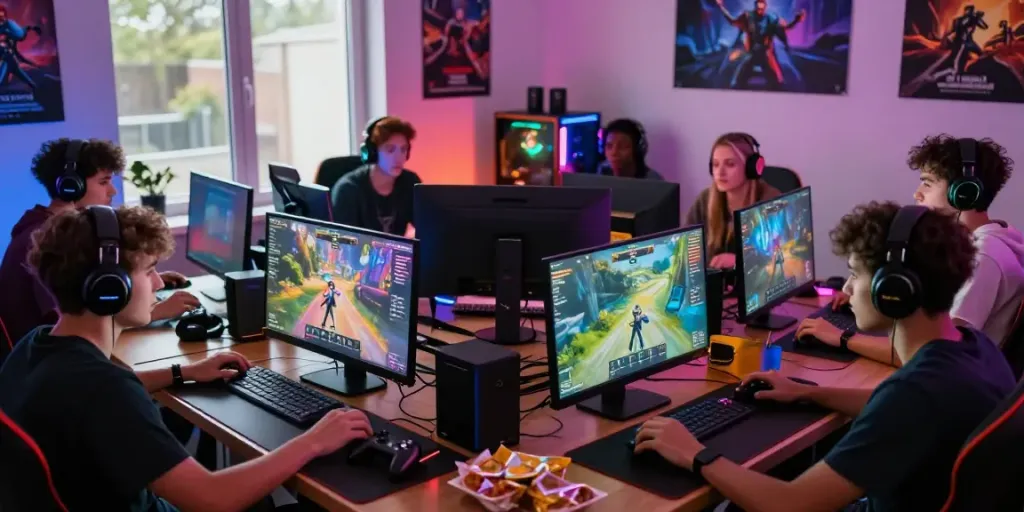
The trend of multiplayer gaming has surged, with players worldwide connecting through various platforms, creating rich, shared experiences. Games like Fortnite and Call of Duty: Warzone have set the standard for competitive multiplayer environments, emphasizing seamless interaction among players. Features such as voice chat, cooperative missions, and cross-platform play enhance the social aspect, making these games more engaging. Developers are leveraging user-generated content and community involvement to foster a sense of ownership and boost loyalty among players. As we advance, the integration of social media elements within games will likely further blur the lines between gaming and social interaction, creating even more compelling multiplayer experiences.
Impact of Cloud Gaming Technology
Cloud gaming represents a significant shift in how games are delivered and played. This technology allows players to access high-quality games without the need for powerful hardware, as the processing occurs on remote servers. Services like Google Stadia and NVIDIA GeForce NOW have started to redefine accessibility in gaming, enabling users to play on various devices, from smartphones to smart TVs. As internet connectivity improves and latency issues decrease, cloud gaming could become the standard framework for delivering games, allowing creators to develop more graphically intensive experiences without the constraints of local hardware capabilities.
How Game Streaming is Changing User Engagement
Game streaming has emerged as a key player in the online gaming arena, providing opportunities for engagement beyond traditional gameplay. Platforms like Twitch and YouTube Gaming enable gamers to stream their playing sessions, creating communities centered around content creation and viewer interaction. This trend not only allows players to showcase their skills but also fosters a culture of collaboration and entertainment. With the rise of subscription-based models and monetization options for streamers, user engagement is expected to escalate further as audiences seek to participate actively in the gaming content ecosystem.
User Experience Innovations in Gaming
The gaming industry has increasingly prioritized user experience, recognizing that a positive interaction can significantly elevate player satisfaction and retention. As developers strive to create immersive environments, understanding user needs becomes paramount to crafting engaging games. From intuitive controls to visually stunning graphics, innovations in user experience shape how players interact with game online platforms and each other.
Importance of User-Centric Design
User-centric design focuses on enhancing the player's journey through intuitive interfaces and gameplay mechanics. Leading developers are now employing user experience (UX) designers to ensure that game navigation is seamless and enjoyable. For instance, the layout of menu systems, character progression, and in-game transactions should feel natural to avoid frustration. By gathering player feedback and using data analytics, companies can iterate on design and make improvements that align with player expectations.
Personalization in Game Online Environments
Personalization is a critical factor in user engagement, allowing players to tailor their gaming experiences. Features such as customizable avatars, dynamic storylines based on player choices, and adaptive difficulty levels allow for a more engaging environment. These personalized elements not only keep players interested but also encourage longer play sessions. Integrating machine learning algorithms to analyze player behavior can help developers create tailored experiences that resonate with individual users.
Accessibility Features for Broader Audiences
As the gaming community expands, ensuring accessibility for all players becomes increasingly essential. Innovations such as customizable control schemes, color-blind modes, and text-to-speech options allow people with disabilities to enjoy games they might have previously found difficult to access. Developers are now recognizing the importance of inclusivity, making strides to create environments where everyone can participate, regardless of physical ability. This commitment to accessibility not only broadens the audience but also enhances the reputation of game developers as socially responsible.
Challenges Facing Game Online Developers
Despite the progress made in the gaming industry, developers face several ongoing challenges that can impact player satisfaction and overall success. These challenges range from technical issues to shifting market dynamics, requiring innovative solutions to ensure a viable and engaging gaming environment for all.
Combatting Game Lag and Connectivity Issues
Latency, or lag, can significantly detract from the gaming experience, especially in fast-paced games. Many players abandon games that suffer from slow response times or connectivity issues, leading to frustration and dissatisfaction. Developers are actively working on optimizing servers and reducing latency through technology such as edge computing and better network protocols. By prioritizing performance and reliability, developers can enhance user experience and retain their player base.
Addressing Security and Privacy Concerns
As online gaming grows, so do concerns regarding security and privacy. Issues such as data breaches can undermine player trust, potentially leading to severe reputational damage for game developers. Ensuring robust security measures—like encryption, secure payment systems, and clear data privacy policies—are essential to protect users' information and maintain their confidence in the platform. Developers must prioritize security to cultivate a loyal community of players willing to engage fully with their games.
Competition from Emerging Game Genres
The gaming market is highly competitive, with new genres and trends emerging rapidly. Developers must keep an eye on shifting player preferences and trends, such as the rise of battle royales or social deduction games, to stay relevant. Additionally, the incorporation of elements from various genres can keep gameplay fresh and appealing. Continuous innovation and adaptation to new gaming trends are vital to maintain a competitive edge in an ever-evolving landscape.
Metrics for Success in Game Online Ventures
To navigate the challenges of online gaming successfully, developers must focus on key performance indicators (KPIs) that can guide their strategies and inform their decisions. By leveraging data analytics, developers can gain actionable insights into player behavior, aiding in the creation of games that keep users engaged and satisfied.
Key Performance Indicators for Game Platforms
KPIs such as daily active users (DAU), user retention rates, and session lengths can provide invaluable information about player engagement levels. By tracking these metrics, developers can identify trends, optimize game features, and ultimately enhance player satisfaction. Establishing KPIs that align with business objectives is critical for measuring success and ensuring sustainability within the competitive gaming landscape.
User Retention Strategies
Retaining players is just as critical as attracting them. Implementing loyalty programs, reward systems, and regular updates keeps players invested in the game. Community engagement through forums, social media, and in-game events can create a sense of belonging, further enhancing player loyalty. Developers need to continually innovate and provide content that aligns with community interests to maximize user retention.
Measuring Community Engagement Effectively
Understanding the community's pulse is essential for creating games that resonate deeply with players. Metrics such as forum activity, social media interactions, and feedback through surveys can help gauge community sentiment. By actively engaging with players and addressing their concerns, developers can foster a loyal fanbase ready to support their games.
Future Trends and Predictions in Gaming
As we look ahead to 2026, the gaming industry is poised for even more remarkable changes, driven by technological advancements and evolving player expectations. Understanding these trends can help stakeholders prepare for the future landscape of online gaming.
Predicted Technological Advances by 2026
By 2026, we can expect significant developments in gaming technology. Enhanced virtual reality (VR) and augmented reality (AR) will likely become more mainstream, allowing players to engage with games in unprecedented ways. Furthermore, advancements in artificial intelligence (AI) will lead to more dynamic and immersive gaming narratives, with NPCs (non-player characters) that learn from player interactions. These innovations will transform user experiences, creating a new era of gaming.
The Rise of Artificial Intelligence in Gaming
AI is set to play a pivotal role in shaping the future of gaming, impacting everything from game design to personalized gaming experiences. AI can analyze player behavior to offer tailored experiences, adjusting difficulty levels and gameplay dynamics in real time. Moreover, AI-generated content can lead to more diverse and immersive gameplay, enabling developers to create vast, intricate worlds that adapt to player actions and decisions.
Virtual and Augmented Reality's Role in Game Online Experiences
As VR and AR technologies mature, their integration into online gaming will offer players unique and immersive experiences. These technologies allow for interactive environments where players can immerse themselves in their favorite games like never before. The potential for social interaction in these virtual spaces can redefine gaming as a community-focused activity, fostering connections among players in more meaningful ways.
What Will Be the Next Big Thing in Online Gaming?
While it's challenging to predict the next big trend in online gaming definitively, the rise of blockchain technology and play-to-earn models may significantly impact the industry. Players may earn real-world rewards through gameplay, leading to a shift in how users interact with games. The incorporation of blockchain could also enhance security and ownership in digital spaces. As this technology develops, it will be intriguing to see how it alters player expectations and engagement in the gaming world.