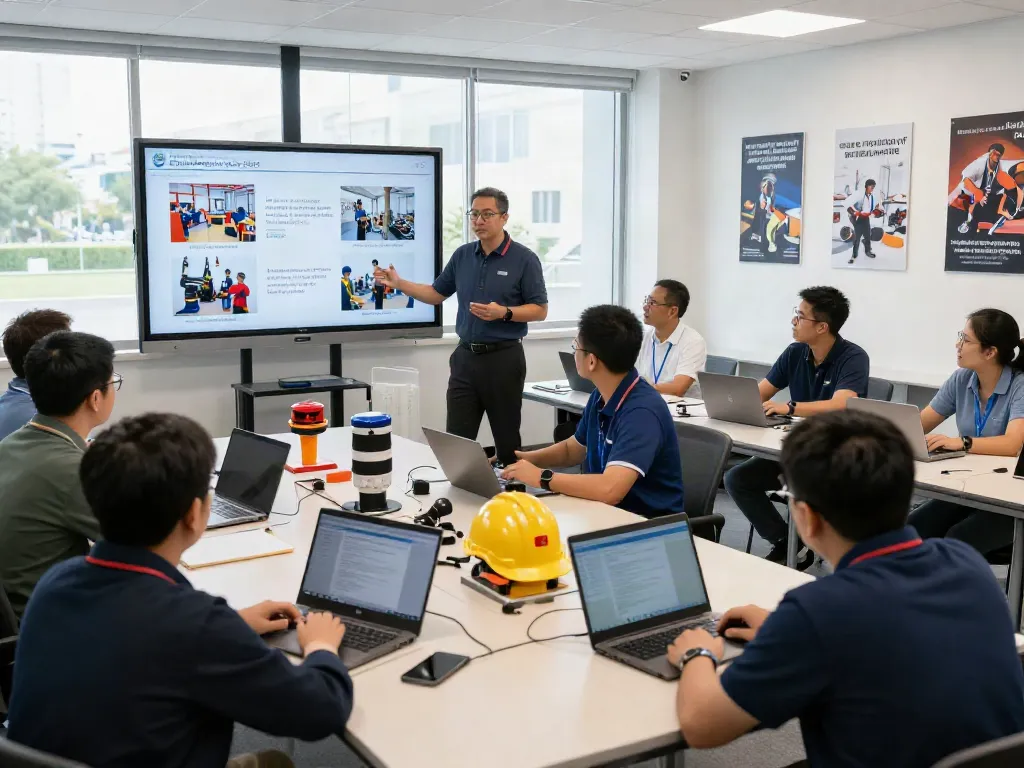
Understanding the Job Market Landscape
The job market is continually evolving, especially in response to global trends and technological advancements. As we move into 2026, understanding these trends becomes crucial for job seekers. The landscape has changed dramatically, influenced by factors like remote work opportunities, shifts in the economy, and the rise of new industries. For those on the hunt for a job, or หางาน, having an awareness of the current market dynamics can make all the difference in securing employment.
Current Trends in Job Searching in 2026
In 2026, job searching has taken on a new dimension. The integration of technology into every aspect of the job search process has made it easier for candidates to find opportunities that align with their skills. Here are some of the most notable trends:
- Remote Work Acceptance: Many companies have adapted to a remote or hybrid work model, allowing for a wider geographic reach in employee recruitment.
- AI in Hiring: Artificial intelligence is increasingly used in the recruitment process to screen resumes and match candidates with job openings based on data-driven insights.
- Focus on Soft Skills: Employers are placing more emphasis on soft skills such as communication, teamwork, and adaptability, recognizing their importance in a remote work environment.
Common Pitfalls in หางาน for New Graduates
New graduates often face unique challenges when entering the workforce. Understanding common pitfalls can help them navigate the job market more effectively:
- Overlooking Networking: Many new graduates assume that submitting applications is sufficient. Networking is crucial—building connections can lead to unadvertised job opportunities.
- Ignoring Tailoring Applications: Sending out generic resumes can result in missed opportunities. Tailoring applications to specific job descriptions demonstrates genuine interest and attention to detail.
- Failure to Leverage Online Presence: In today's digital age, having a professional online presence is essential. Graduates should ensure their social media profiles reflect their personal brand positively.
How to Identify Your Unique Value Proposition
Understanding what sets you apart from other candidates is key to securing job opportunities. Here are steps to identify your unique value proposition:
- Self-Reflection: Take inventory of your skills, experiences, and accomplishments. What do you excel at, and what do you enjoy doing?
- Seek Feedback: Ask peers, mentors, or former employers about your strengths. External perspectives can offer insights you may not recognize in yourself.
- Research Industry Needs: Understanding what employers in your desired field are looking for can help position your skills effectively.
Essential Tools for Effective Job Hunting
Utilizing Online Platforms for หางาน
Online job platforms have changed how job seekers search for opportunities. In 2026, the best practices for utilizing these platforms include:
- Optimize Your Profile: Ensure your profile is complete and showcases your skills and experiences effectively.
- Set Job Alerts: Many platforms allow you to set alerts for specific job titles or industries, ensuring you don’t miss new postings.
- Engage in Company Research: Use platform features to research potential employers, understanding their culture and hiring practices.
Creating an Impressive Resume and Cover Letter
Your resume and cover letter are often the first impression potential employers have of you. Here’s how to make a lasting impact:
- Use Clear Formatting: A well-structured resume is easy to read. Use bullet points for clarity and ensure it is visually appealing.
- Highlight Relevant Experience: Tailor your resume to reflect experiences that are relevant to the positions you are applying for.
- Personalize Your Cover Letter: Address the hiring manager by name and align your skills with the job requirements to make your letter stand out.
Leveraging Social Media for Networking Opportunities
Social media platforms, particularly LinkedIn, have become significant tools in job hunting. Here are some tips for effective use:
- Build a Professional Profile: Ensure your LinkedIn profile is complete and includes a professional photo, detailed experiences, and endorsements.
- Engage with Content: Share articles, comment on posts, and participate in discussions to increase your visibility and position yourself as a thought leader.
- Connect with Industry Professionals: Reach out to individuals in your field for informational interviews or advice, expanding your professional network.
Mastering the Art of Networking
Building Relationships in Your Industry
Networking is not just about collecting contacts; it’s about building meaningful relationships. Consider the following:
- Attend Industry Events: Conferences, workshops, and seminars are great opportunities for networking. Prepare by researching attendees and tailoring your conversations.
- Follow Up: After meeting someone, send a thank-you note or follow-up email to solidify the relationship and keep the communication open.
- Offer Help: Networking is reciprocal. Look for ways to assist others in your network; this builds goodwill and strengthens connections.
How to Approach Informational Interviews
Informational interviews are powerful tools for gaining insights into an industry or role. Here’s how to approach them:
- Identify the Right People: Find professionals who are in roles you are interested in and who might be willing to share their experiences.
- Prepare Your Questions: Have a list of thoughtful questions prepared to maximize the value of the conversation.
- Be Respectful of Their Time: Keep the interview brief and to the point, and always thank them for their time and insights afterward.
Follow-Up Strategies to Stay Connected
After networking events or conversations, maintaining connections is key:
- Regular Check-Ins: Every few months, reach out to your contacts to share updates or relevant industry news.
- Use Social Media: Engage with their posts on LinkedIn or Twitter to stay on their radar.
- Invite to Future Events: If you are organizing a networking event or know of one, invite your contacts to keep the relationship strong.
Preparing for Job Interviews
Common Interview Questions and How to Answer
Being well-prepared for common interview questions can significantly increase your chances of success:
- Tell Me About Yourself: Focus on your professional background and how it relates to the position you are applying for.
- What Are Your Strengths and Weaknesses? Be honest about your strengths while framing weaknesses in a way that shows self-awareness and growth.
- Why Do You Want to Work Here? Research the company beforehand and convey your enthusiasm about their mission and culture.
Demonstrating Cultural Fit with Potential Employers
Employers often seek candidates who align with their organizational culture. Here’s how to demonstrate your fit:
- Research the Company Culture: Utilize the company's website, social media, and employee reviews to understand their values.
- Share Relevant Experiences: During the interview, communicate how your past experiences align with their cultural values.
- Ask About the Culture: Showing interest in company culture during the interview can illustrate your commitment to finding a good fit.
Post-Interview Practices for Successful Follow-Up
Following an interview, it’s vital to engage in effective follow-up practices:
- Send a Thank-You Email: A prompt thank-you note can reinforce your enthusiasm for the role and appreciation for the opportunity.
- Provide Additional Information: If relevant, offer any additional information that may support your candidacy.
- Stay Connected: If you don’t hear back within the expected timeframe, follow up politely to inquire about the status of your application.
The Future of Work: Trends Impacting Job Seekers
Remote Work Opportunities and Their Advantages
Remote work has transformed the employment landscape, offering numerous benefits:
- Flexibility: Employees enjoy better work-life balance and can manage their schedules more effectively.
- Wider Talent Pool: Employers can source talent irrespective of geographical boundaries, increasing the diversity of their teams.
- Cost Savings: Both employees and employers can save costs associated with commuting and office maintenance.
Emerging Industries that Seek Talent in 2026
As industries evolve, some areas are expanding rapidly and in need of talent:
- Green Technologies: With a growing focus on sustainability, industries centered around renewable energy are on the rise.
- Healthcare Technology: Innovations in health tech, particularly telehealth, are creating a wealth of job opportunities.
- Artificial Intelligence: AI continues to reshape various sectors, creating demand for skilled professionals in this field.
How to Adapt Your Skills for Future Job Markets
As technology and industries evolve, adapting your skills is crucial:
- Continuous Learning: Engage in online courses and certifications to stay relevant and expand your expertise.
- Soft Skills Development: Focus on enhancing soft skills that are increasingly valued across industries, such as communication and teamwork.
- Networking and Collaboration: Build connections and seek collaborative opportunities to gain insights and adapt to changes in the job market.
What are the best job search platforms for 2026?
The landscape of job search platforms is continuously evolving. Some of the most effective platforms include:
- LinkedIn: Ideal for professional networking and job search.
- Indeed: Known for its extensive listings across various sectors.
- Glassdoor: Offers insights into company culture and salary information alongside job listings.
How important is networking when หางาน?
Networking is vital in the job search process as it opens doors to opportunities that are otherwise not advertised. Building relationships can lead to referrals, insider information on job openings, and valuable advice from experienced professionals.
What are the key skills employers look for today?
Employers often prioritize both hard and soft skills, including:
- Technical Proficiency: Relevant technical skills depending on the industry.
- Communication Skills: The ability to communicate effectively across mediums.
- Problem-Solving: Critical thinking and the ability to address challenges creatively.
How can I improve my resume for better chances?
To enhance your resume's effectiveness, focus on clarity, relevance, and personalization. Highlight achievements using action verbs, quantify results where possible, and tailor your resume for each job application.
Are there specific interview tips I should follow?
Yes, effective interview strategies include thorough preparation, practicing common questions, and presenting yourself confidently. Ensure you dress appropriately for the company's culture and demonstrate your enthusiasm for the role.